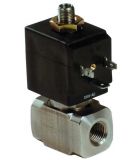
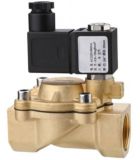
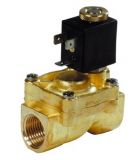
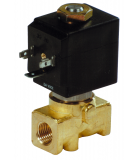
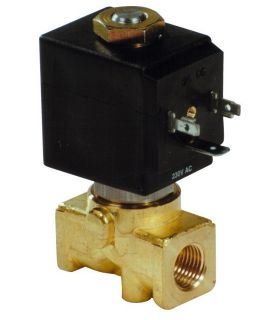
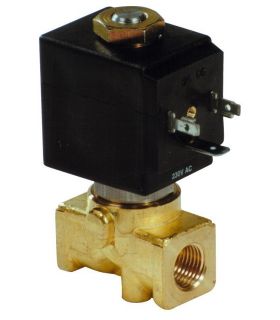
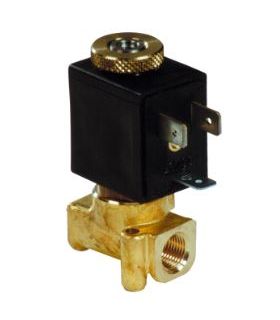
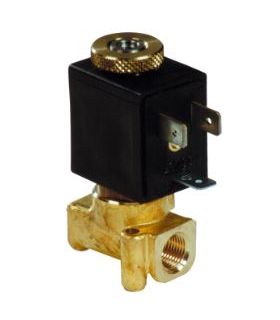
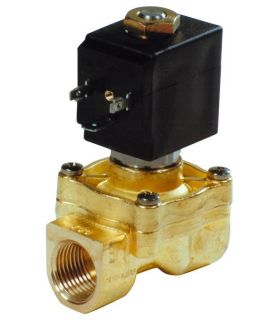
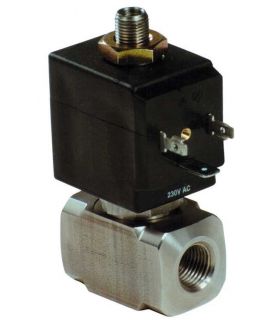
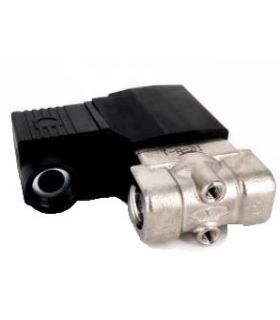
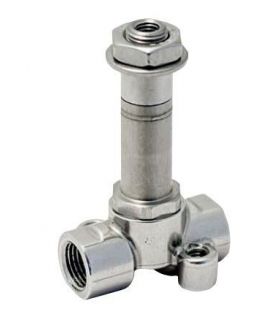
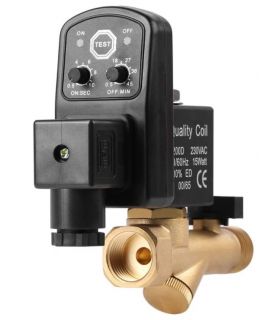
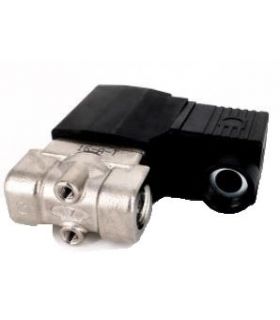
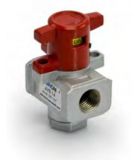
What are pneumatic solenoid valves?
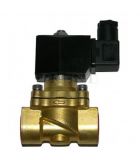
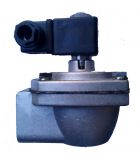
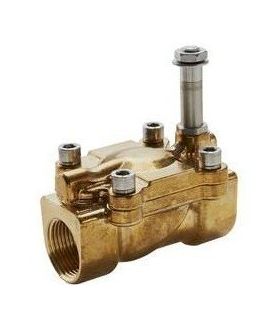
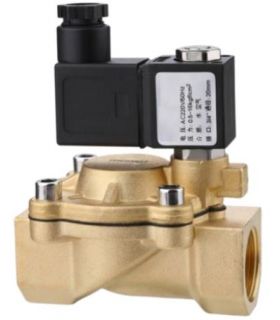
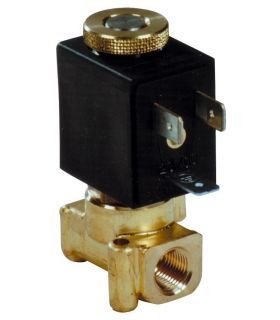
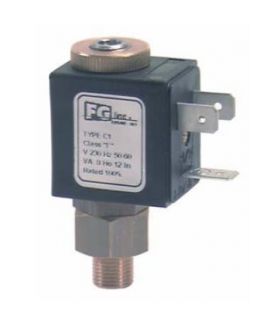
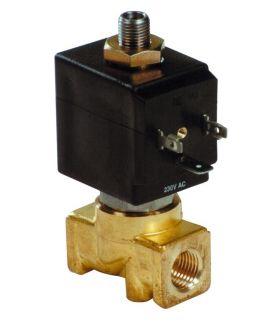
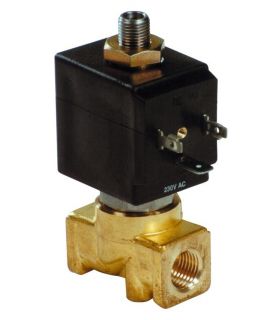
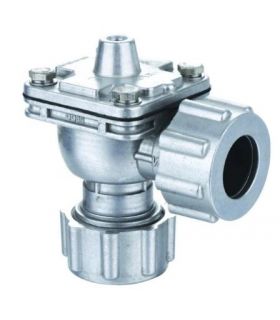
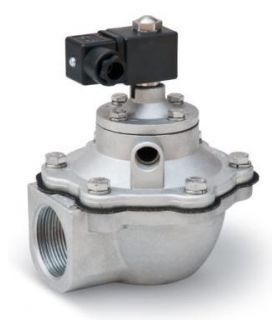
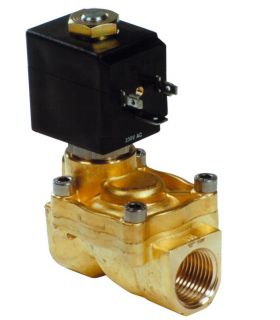
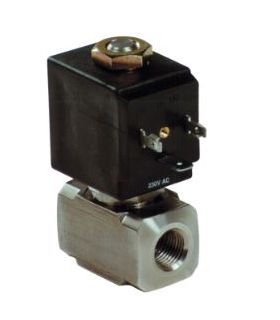
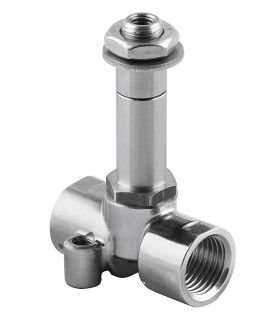
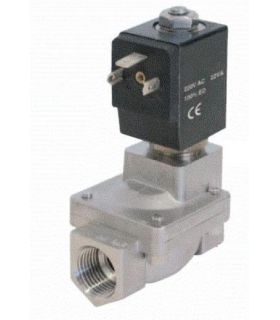
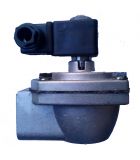
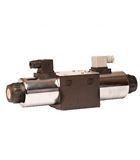
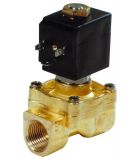
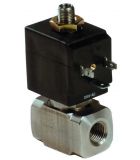
Pneumatic solenoid valves are a type of electromechanical valve generally used to control the flow rate of a liquid or gas. There are different types of solenoid valves, although the most important are servo-assisted and direct-acting valves.
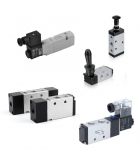
Pneumatic solenoid valves come in many variations and configurations. They can be 2-way or 3-way, normally open or normally closed. They are activated and deactivated by a solenoid through electrical pulses. This generates a magnetic field that moves a core, opening or closing the passage.
How does a pneumatic solenoid valve work?
When the coil receives electrical current, it generates a magnetic field that moves an internal mechanism, allowing the flow of compressed air within the pneumatic circuit to be opened, closed, or redirected.
What is a power-assisted solenoid valve?
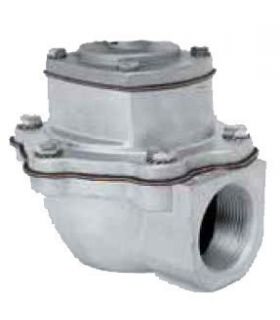
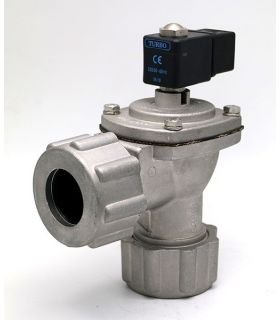
A solenoid valve (also called a pilot-operated or servo-operated valve) uses the pressure of the fluid itself or compressed air to help open or close the passage. The electric coil does not directly actuate the main valve, but rather controls a small pilot circuit that uses the available pressure to perform the operation.
What is a direct-acting solenoid valve?
In a direct-acting solenoid valve, the coil directly actuates the opening or closing mechanism without the need to use fluid pressure as an aid.
When the coil receives current, it directly moves the moving core that opens or closes the passage.
What is the difference between a monostable solenoid valve and a bistable solenoid valve?
The monostable solenoid valve automatically returns to its initial position when it stops receiving current thanks to a return spring.
The bistable circuit maintains its last position until it receives a new electrical signal that causes a change of state.
Where are pneumatic solenoid valves used?
They are common in sectors such as:
- Industrial automation
- Automotive
- Packaging and packing
- Food and drinks
- Pharmaceutical industry
- Industrial Robotics
- Production machinery
What advantages do pneumatic solenoid valves offer?
- Process automation
- Fast and precise control of compressed air
- High operational reliability
- Easy integration with PLCs and control systems
- Reduction of production and maintenance times
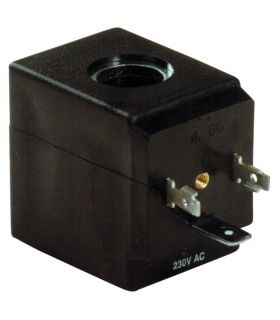
Can the coils of a solenoid valve be replaced?
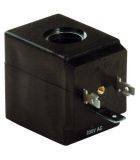
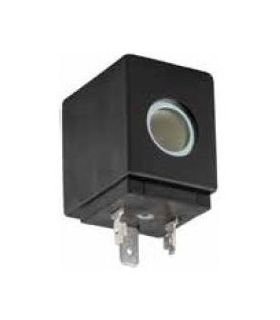
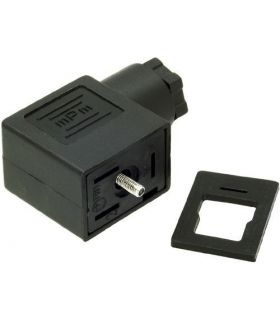
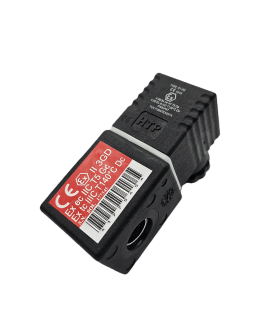
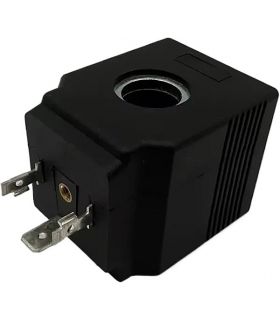
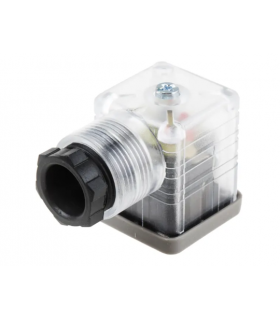
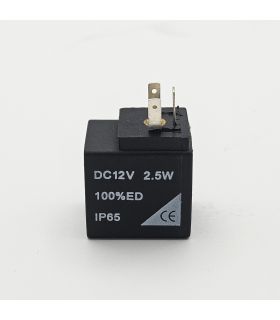
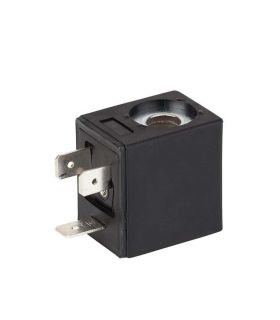
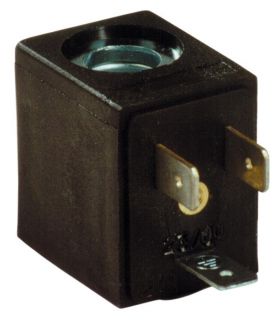
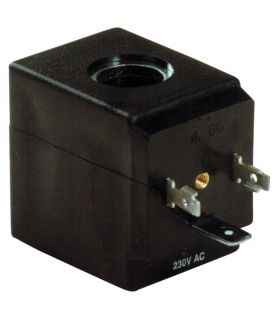
Yes. In many industrial models, the coil can be replaced without having to change the entire valve, simplifying maintenance and reducing costs.