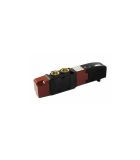
Hydraulic solenoid valves – 4/2, 4/3 directional valves and hydraulic blocks
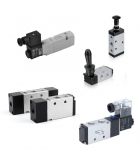
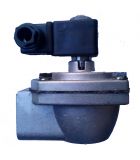
At Disumtec we have a wide selection of hydraulic solenoid valves for flow and direction control in oil systems.
Our solenoid valves (2/2, 4/2 and 4/3 way) are available in 12V, 24V, 48V DC and 24V, 110V, 220V AC versions, with NG-6, NG-10 and NG-16 formats (flow rates from approximately 40 l/min to 300 l/min) and working pressures up to 325 bar .
What is a hydraulic solenoid valve and how does it work?
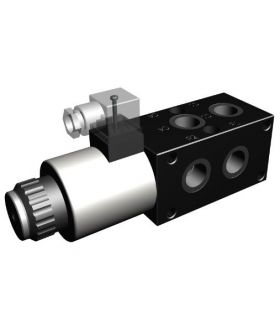
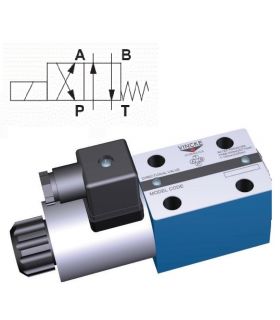
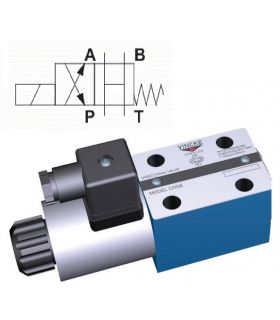
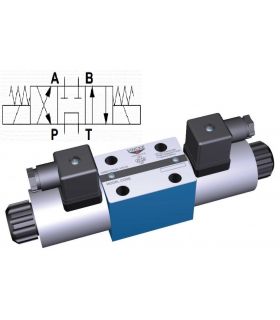
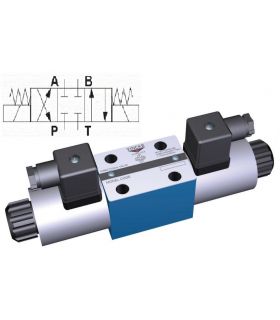
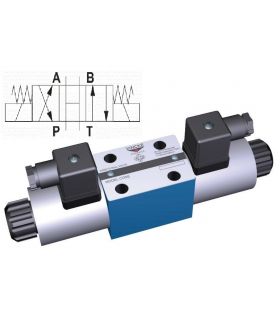
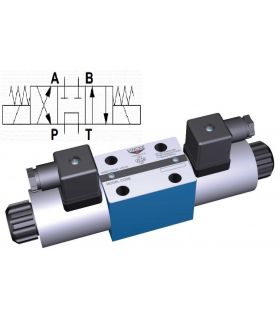
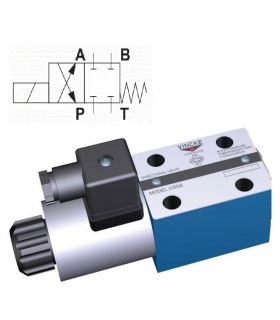
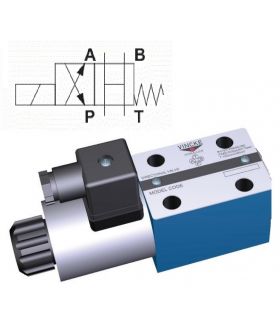
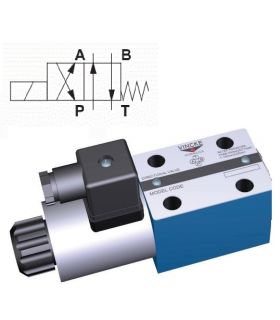
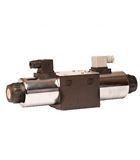
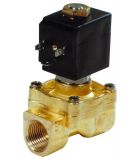
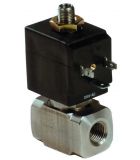
A hydraulic solenoid valve is an electrically operated directional valve: when the coil (solenoid) is energized, the internal spool moves and redirects the flow of oil, changing the outlet paths to cylinders, hydraulic motors, or secondary circuits.
Depending on their configuration, they can be 2-way (2/2), 4/2 or 4/3 , offering different combinations of flow, cut-off and center position (open, closed or tank).
Common types and configurations
4/2 and 4/3 (directional valves)
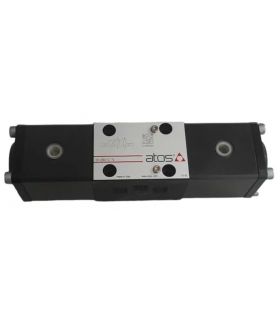
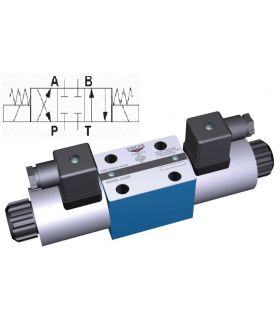
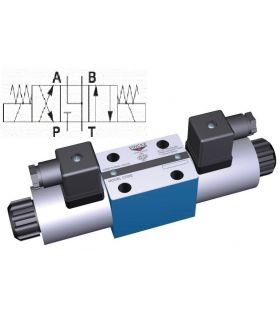
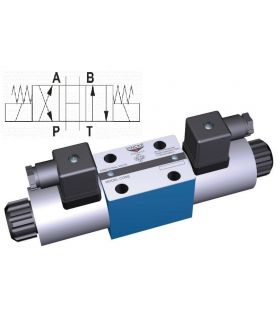
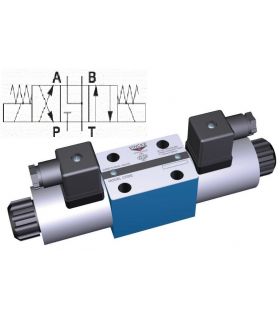
The 4/2 controls two positions (extension/retraction) with two main channels; the 4/3 adds a third central position (lock, tank entry or rest).
These configurations are the most commonly used in cylinder and equipment maneuvers that require precise path control.
2/2 (gate valves)
The 2/2 valves are suitable for simple opening/closing functions and are used in auxiliary circuits or as safety and shut-off valves.
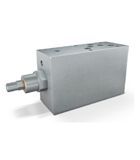
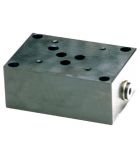
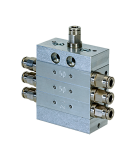
Solenoid valve blocks
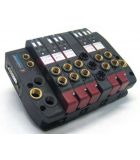
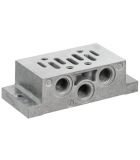
The blocks allow you to group several solenoid valves (multi-way) to save space, simplify connections and reduce pressure losses.
They are widely used in machinery where a compact and modular assembly is required.
Electrical voltages and compatibilities
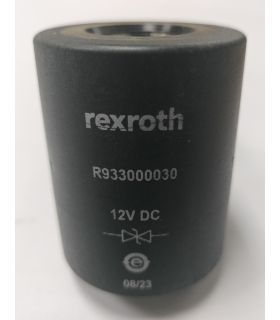
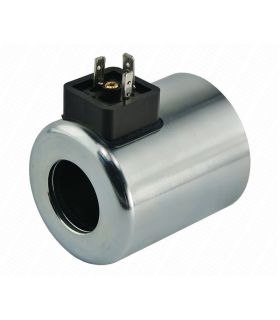
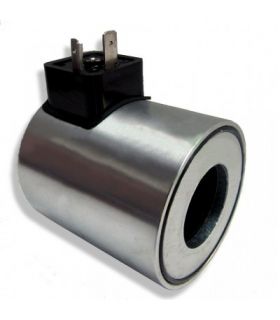
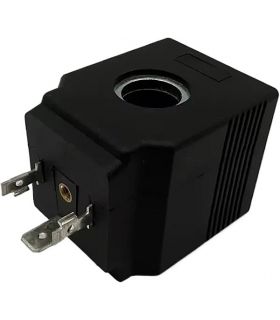
We offer coils in 12VDC, 24VDC, 48VDC and 24VAC, 110VAC, 220VAC .
To select the voltage, take into account the electrical availability of the machine and the safety regulations.
We also supply coils with IP protection and versions with DIN connector for easy on-site replacement.
Materials, joints and working range
The casings are usually made of steel or cast iron to withstand high pressures.
The gaskets are supplied in NBR for standard applications and in Viton when there are high temperatures or aggressive fluids.
Our models meet industrial specifications for high pressures (up to 325 bar ) and flow ranges adapted to NG6 / NG10 / NG16.
Summary technical table
4VAC, 110VAC,
| Property | Worth |
| Guys | 2/2, 4/2, 4/3, modular block |
| Coil voltages | 12VDC, 24VDC, 48VDC, 24VAC, 110VAC, 220VAC |
| Sizes | NG-6, NG-10, NG-16 |
| Indicative flow rate | 40 - 300 L/min |
| Maximum pressure | Up to 325 bar |
| Material | Steel / cast iron; NBR / Viton gaskets |
| Connectivity | DIN connector, terminals, wiring |
How to choose the right hydraulic solenoid valve
To select the optimal solenoid valve, you should consider:
- Maneuvering type ( 4/2, 4/3 )
- Required flow rate
- Working pressure
- Coil voltage
- Fluid compatibility (hydraulic oils with additives)
If you need quick control or block assembly, consider a solenoid valve block with consolidated power supplies.
Industrial applications
Hydraulic solenoid valves are used in:
- Hydraulic presses and bending machines
- Cranes and lifting machinery
- Manipulators and construction machinery
- Hydroelectric power plants and power circuits
In general, in any application that requires force and trajectory control using oil.
Installation, maintenance and safety
- Install the solenoid valve in the position recommended by the manufacturer.
- Use filters and separators to keep the oil clean.
- Protect the coils against over-temperature and over-voltage.
- Periodically check gaskets and seals; use Viton in high-temperature environments.
Advantages of buying from Disumtec
- Catalog with models NG-6, NG-10 and NG-16 and solenoid valve blocks.
- 12V and 24V options ready for quick integration.
- Technical advice for selecting the correct pressure, flow rate and coil.
- Fast shipping to Spain and Europe, with after-sales service and spare parts.
Frequently Asked Questions (FAQ)
What is the difference between a 4/2 solenoid valve and a 4/3 solenoid valve?
The 4/2 has two positions (open/close) while the 4/3 adds a central position that can be tank pass, lock or neutral depending on the configuration.
Which voltage should I choose, 12V or 24V?
It depends on the power supply available to the machine and the safety regulations; 24VDC is the most common industrial option due to compatibility and safety.
What is NG-6, NG-10 and NG-16?
These are standardized sizes that define the section and, therefore, the flow rate that the valve can handle (NG6 ≈ 40 l/min, NG10 ≈ 100–150 l/min, NG16 ≈ 200–300 l/min).
Can solenoid valves be grouped into a block?
Yes, solenoid valve blocks allow for the integration of multiple units, simplify piping, and reduce pressure losses; they are widely used in compact machines.
Do you need help or a quote?
Contact our technical department at disumtec.com or request a quote from the contact page.
We can prepare customized proposals with technical specifications, availability and delivery time.