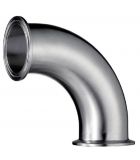
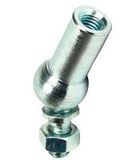
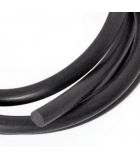
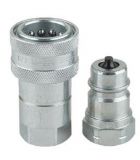
CAMLOCK E STAINLESS STEEL
€2.46
(tax excl.)
€2.98
(tax incl.)
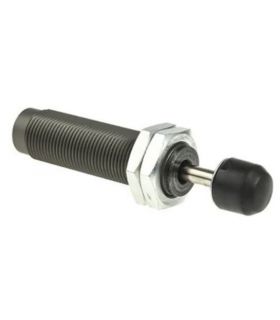
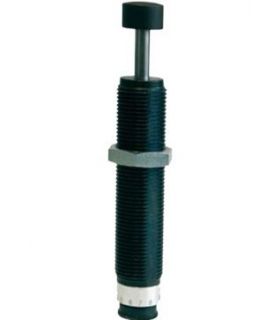
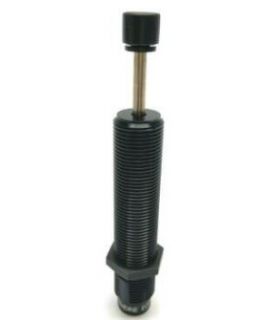
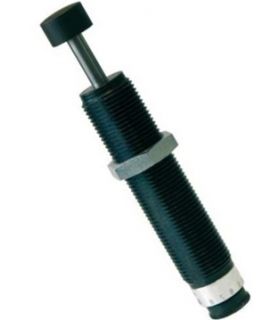
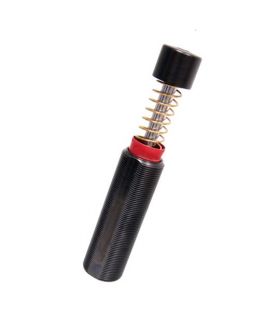
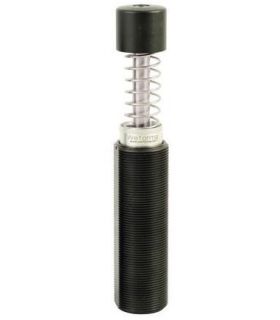
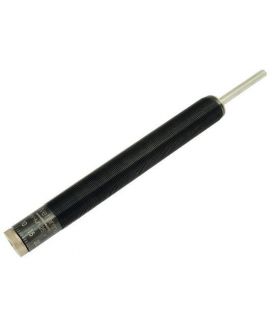
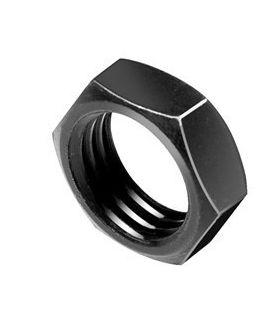
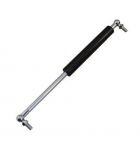
Hydraulic shock absorbers are mechanical devices used to reduce vibration and shaking in machines, vehicles and other equipment. They work by absorbing and dissipating the kinetic energy generated by the movement of the equipment or vehicle, converting it into heat that is dissipated into the environment.
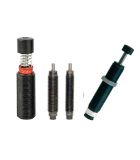
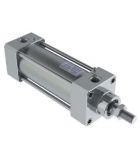
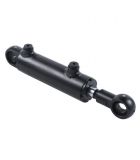
A hydraulic shock absorber is made up of a cylinder and a piston that moves inside the cylinder. The cylinder is filled with a hydraulic fluid, usually oil, which flows through a series of holes and valves in the piston. When the piston moves, oil is forced through the orifices and valves, creating resistance and dissipating the kinetic energy of the movement. There are models that have a regulator to be able to vary the deceleration force at will.
There is a wide variety of hydraulic shock absorbers for each type of application, depending on the size and the deceleration force it has to withstand. For great efforts, the shock absorber is accompanied by a spring. The most common fixing system is using 2 nuts, since the body is externally threaded throughout its entire body.
Hydraulic dampers are used in a wide variety of applications to reduce speed and vibration in mechanical systems and structures.
Some of the most common applications of hydraulic shock absorbers include:
In general, hydraulic shock absorbers are used in any application where speed, vibration and impact reduction on a mechanical system or structure is required.

Please sign in first.
Sign in