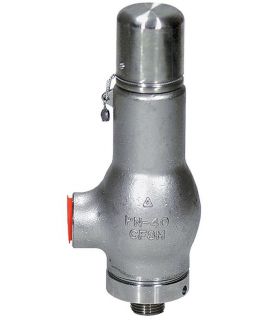
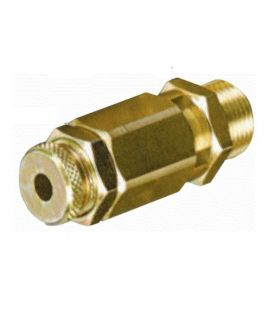
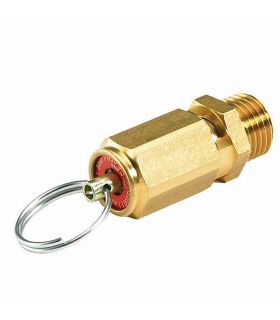
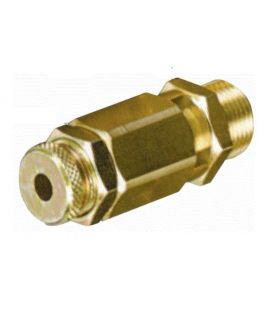
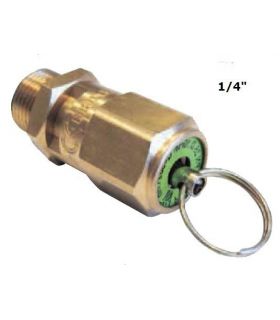
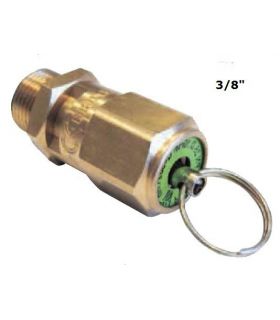
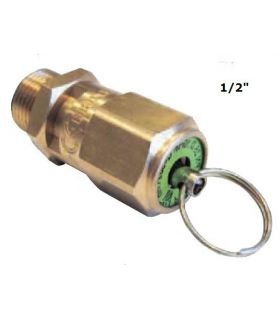
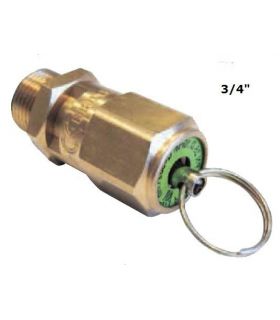
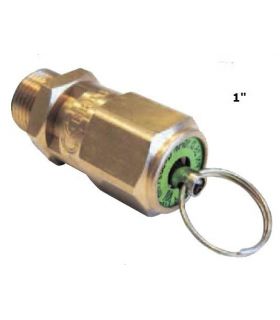
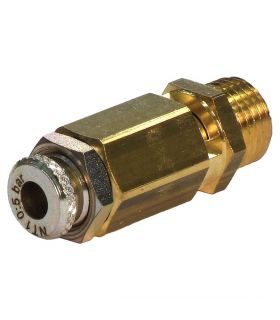
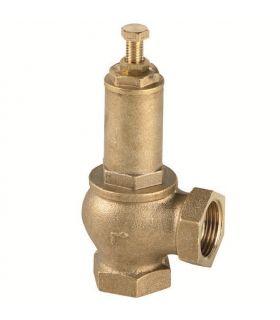
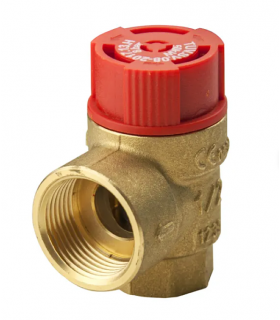
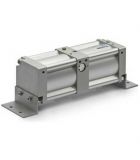
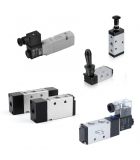
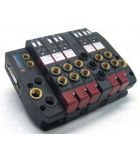
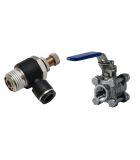
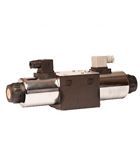
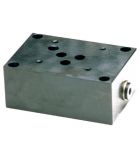
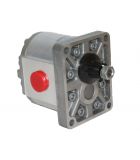
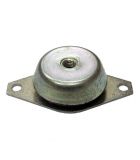
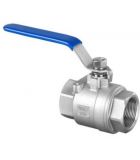
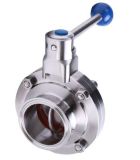
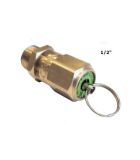
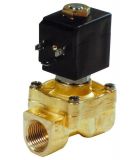
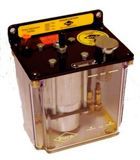
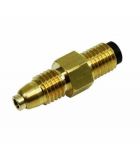
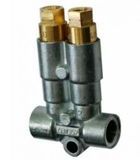
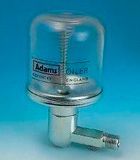
What are safety valves?
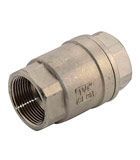
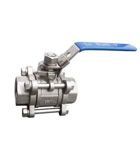
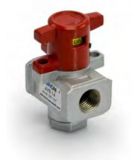
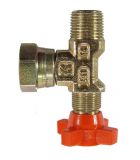
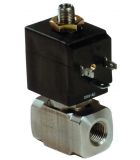
Safety valves are designed to protect installations and equipment from overpressure. When the system pressure exceeds the set value, the valve opens automatically to release fluid and reduce the pressure, preventing damage or system failure.
What are safety valves used for?
The main function of safety valves is to protect equipment, pipes, and pressure vessels from overpressures caused by control failures, temperature increases, system blockages, or changes in operating conditions.
How do safety valves work?
The valve remains closed while the pressure is within normal limits. When the set pressure is exceeded, it opens automatically to release some of the fluid. Once the pressure returns to safe levels, the valve closes again, maintaining system equilibrium.
In what applications are they used?
Safety valves are used in any system that works under pressure, such as: hydraulic systems, boilers and tanks, industrial fluid installations or pneumatic equipment.
What advantages do safety valves offer?
Among its main benefits are:
- Protection against overpressure
- Greater operational safety
- Equipment and pipeline protection
- Automatic operation
- Reduction of the risk of breakdowns
- Compliance with industrial safety regulations
How to choose the right safety valve?
To select the right valve, it is important to consider:
- Working pressure and setting pressure
- Type of fluid (gas, liquid, vapor)
- Required flow rate
- Operating conditions (temperature, environment)
Do safety valves require maintenance?
Yes, it is advisable to carry out regular checks to ensure they are functioning correctly, as they are a critical safety element. A poorly calibrated valve may not operate when needed.
Why is it so important to install a safety valve?
Because it protects both the installation and the people inside. It is a mandatory component in many pressure systems and acts as the last line of defense against critical failures.
What is the difference between a safety valve and a relief valve?
Both protect against overpressure, but the safety valve usually opens quickly when a limit is reached, while the relief valve regulates system pressure more gradually.
What does taring pressure mean?
The set pressure is the pressure at which the valve has been adjusted to open. This value must be selected according to the characteristics and operating limits of the system to be protected.