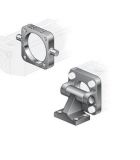
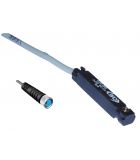
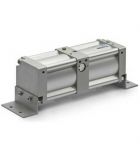
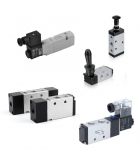
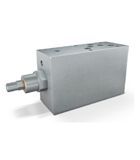
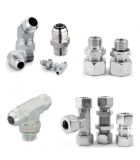
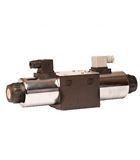
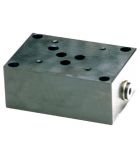
What are pneumatic valves?
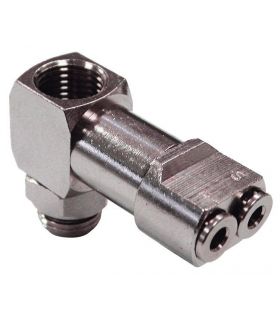
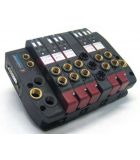
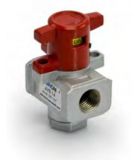
Pneumatic valves are devices designed to control the flow, direction, and conditions of compressed air within a pneumatic system. Their primary function is to regulate, direct, or interrupt the airflow, thereby enabling the control of actuators such as pneumatic cylinders or motors.
What types of pneumatic valves exist?
A. Pneumatic auxiliary valves:
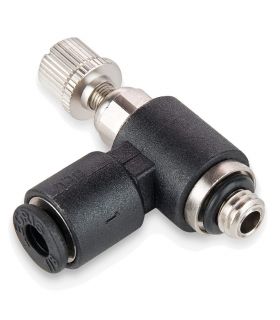
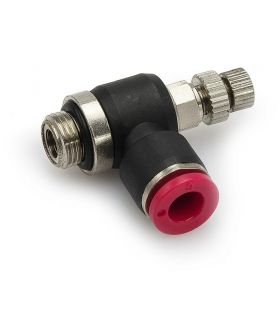
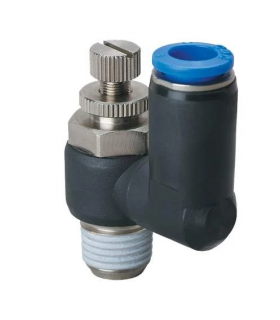
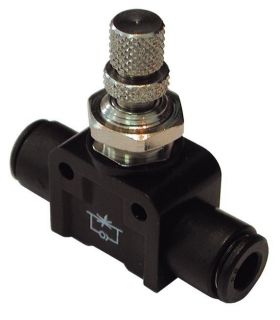
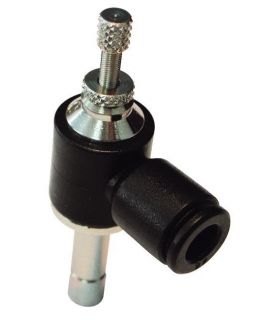
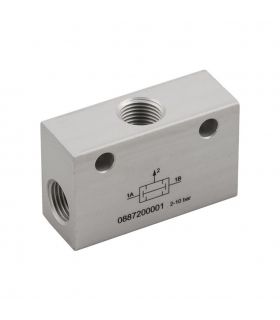
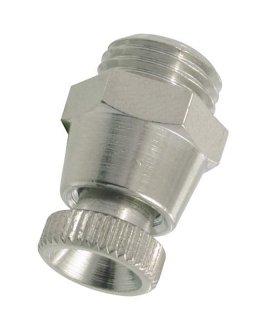
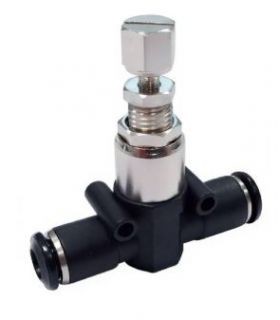
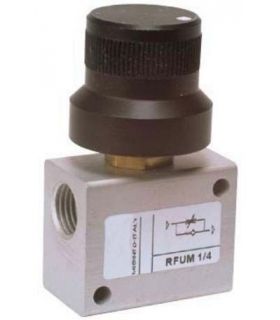
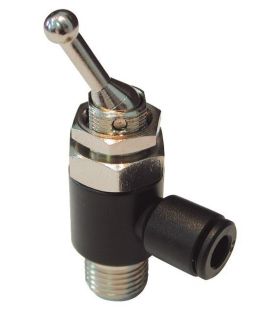
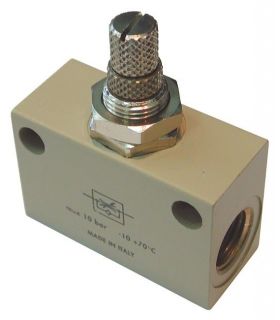
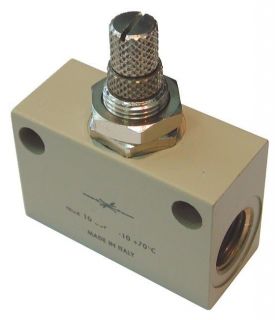
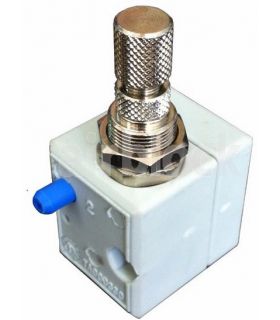
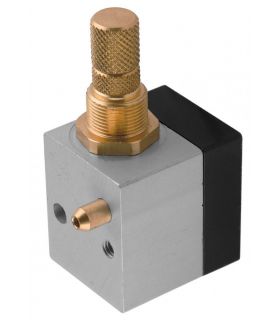
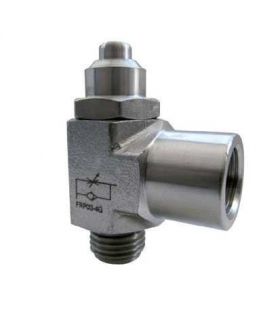
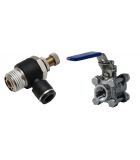
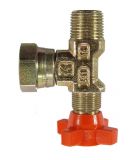
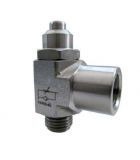
- Flow control valves. This type of valve regulates the speed of a cylinder or associated peripheral device using a knob.
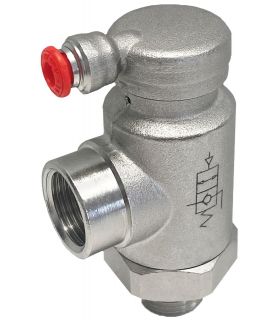
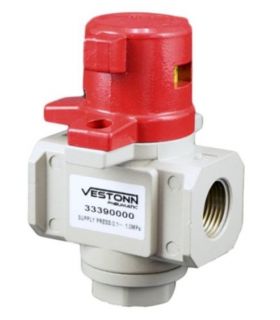
- Locking valves: This type of valve, through an internal device, prevents a cylinder from falling abruptly in the event of breakage or an accident, thus avoiding breakage or damage that it could cause.
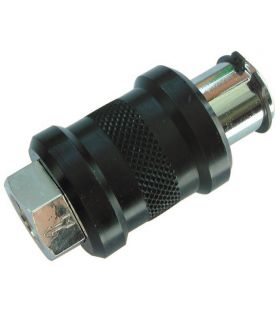
- Slide valves These valves are used to drain a compressed air circuit, by means of a slide.
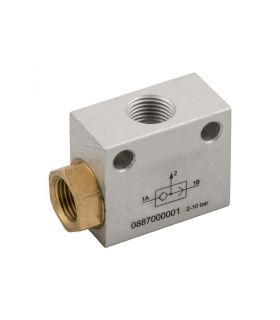
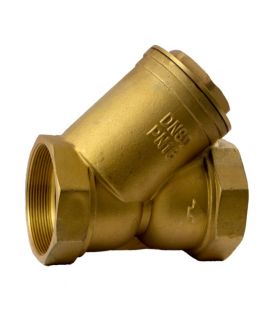
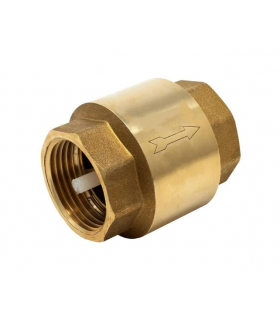
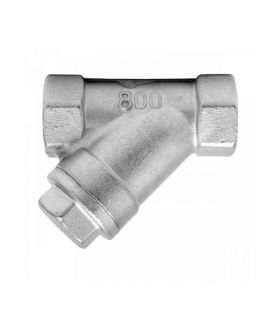
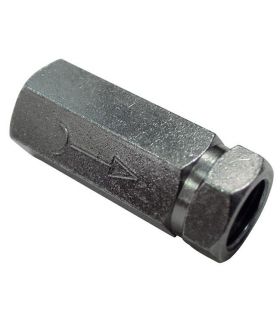
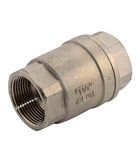
- Non-return or check valves. These valves allow the free flow of compressed air in one direction and prevent flow in the opposite direction.
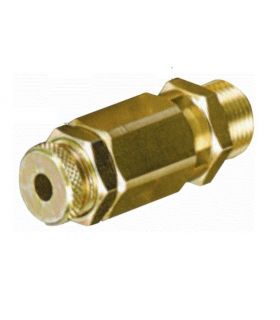
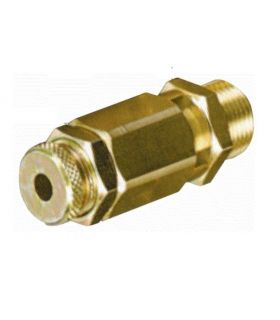
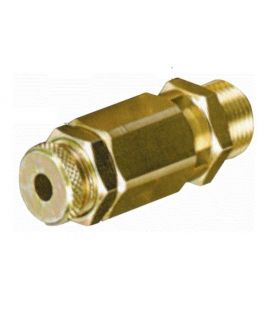
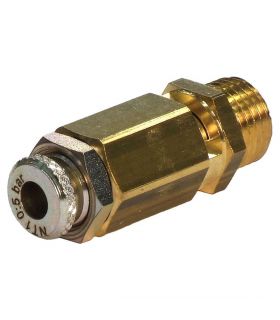
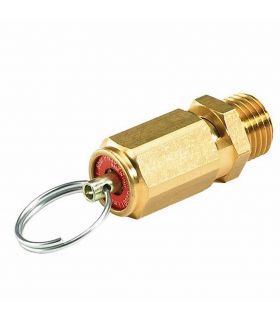
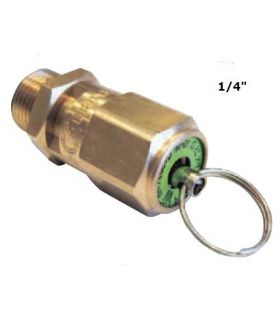
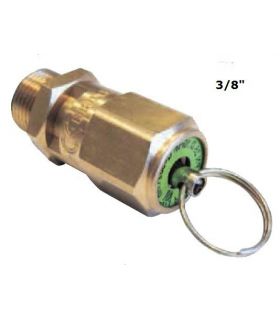
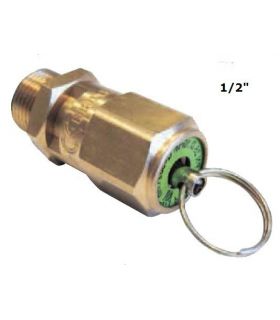
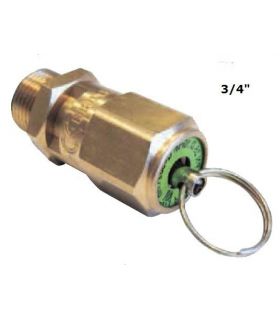
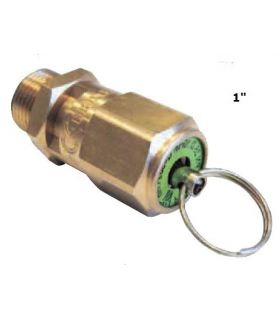
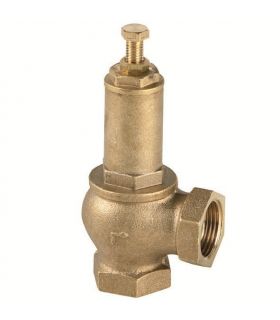
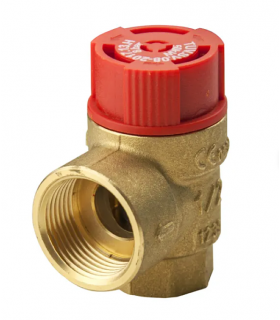
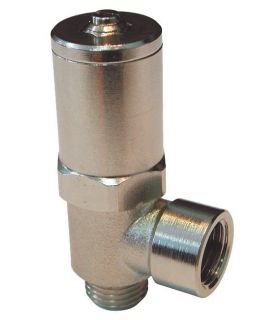
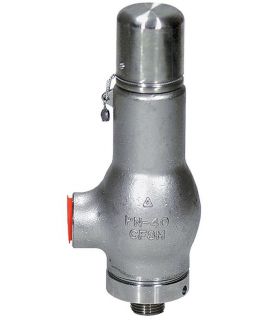
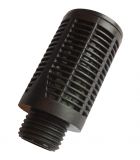
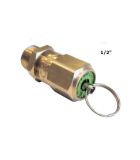
- Safety valves. A safety valve is a safety device used to evacuate the necessary flow of fluid from a pressure vessel, installation, or equipment, ensuring that the maximum allowable pressure is not constantly exceeded. This valve defines the maximum pressure, and by preventing it from being exceeded, a spring opens to release the excess pressure.
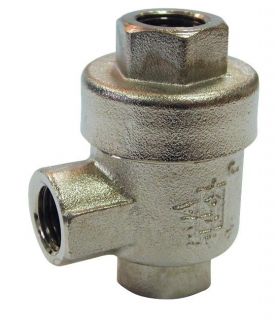
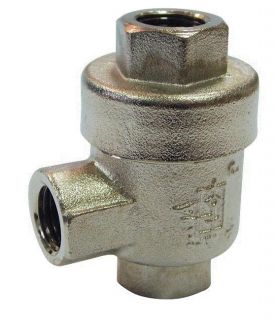
- Logic valves There are a series of valves to control certain maneuvers used for pneumatic piloting, such as circuit selectors, NOT valves, simultaneity valves, sensors, quick exhausts, etc.
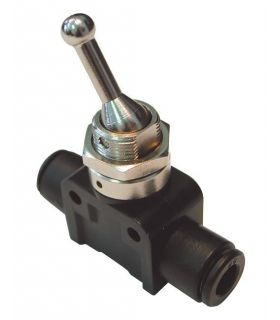
B. Manual pneumatic valves:
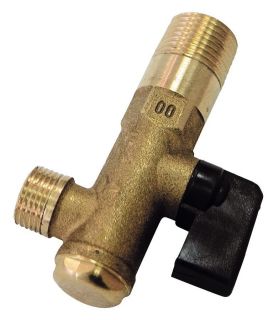
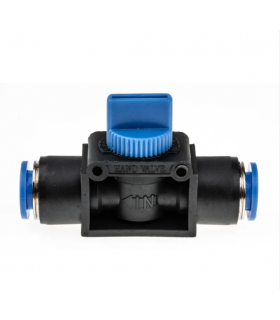
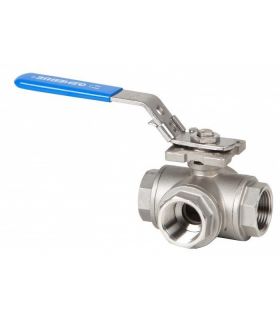
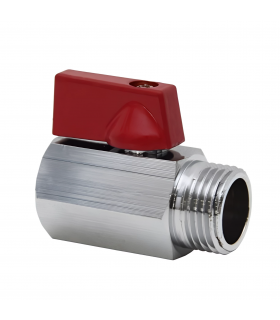
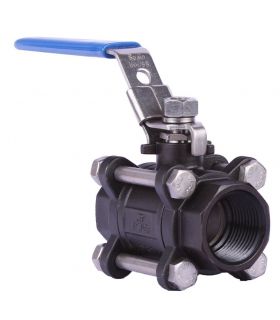
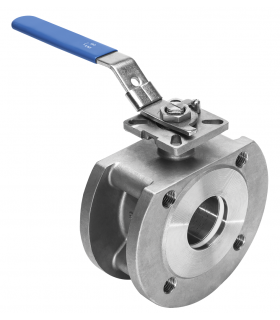
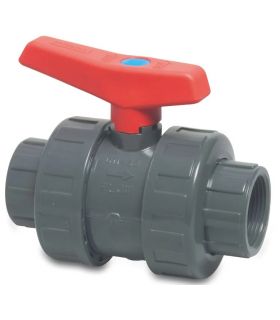
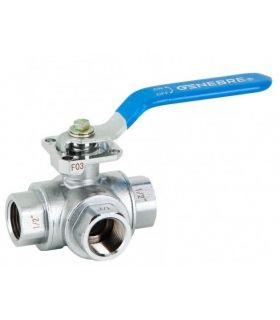
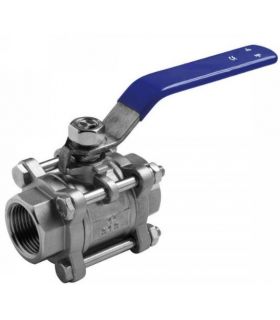
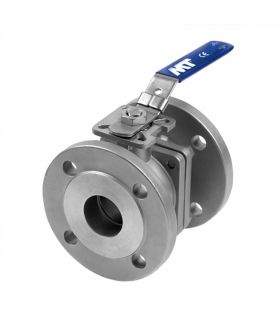
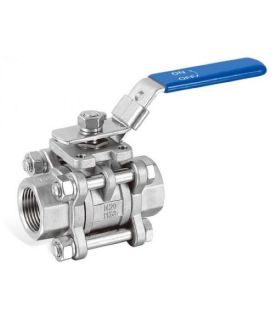
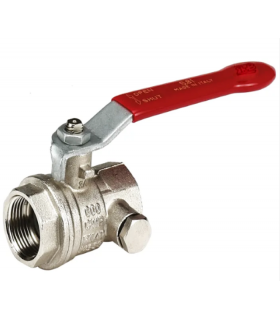
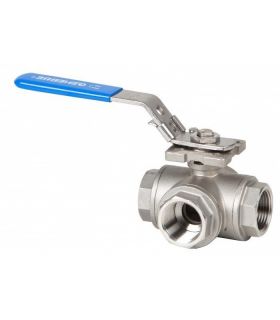
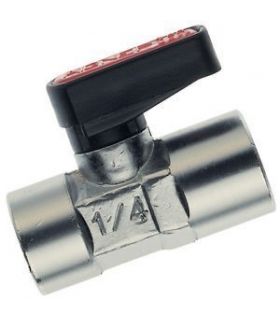
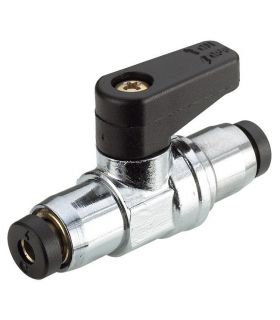
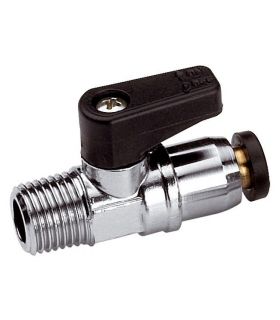
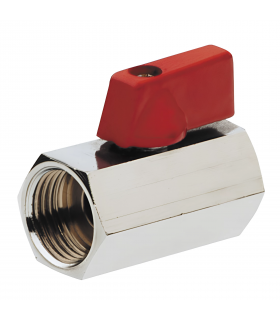
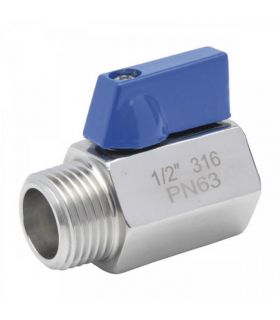
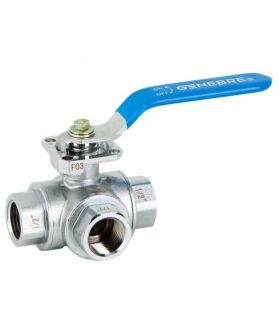
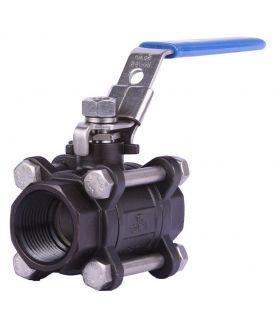
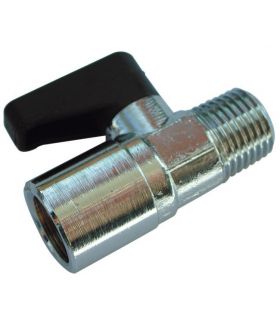
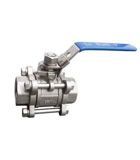
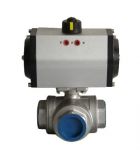
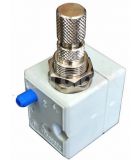
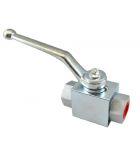
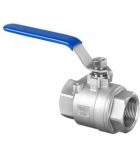
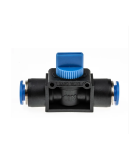
- Ball valves, also known as sphere valves, are a type of stopcock used to regulate the flow of a fluid in a pipe. They are characterized by an internal regulating mechanism in the form of a perforated sphere. A Teflon gasket ensures a tight seal.
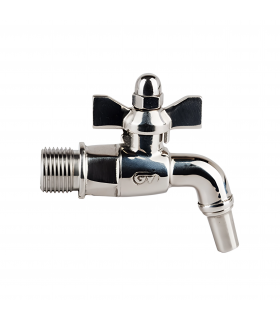
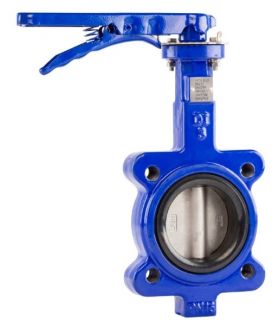
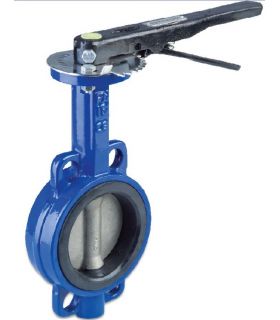
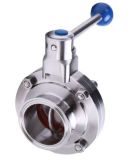
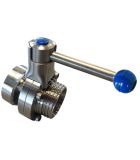
- Butterfly valves: A butterfly valve is a device for interrupting or regulating the flow of a fluid in a pipe by increasing or decreasing the cross-sectional area of the flow using a plate or disc, called a "butterfly," which rotates on an axis. By decreasing the flow area, the local pressure drop across the valve increases, reducing the flow. The closure type varies depending on the fluid being circulated. The valve body can be made of EPDM, NBR, or PTFE. The disc can also be made of stainless steel or other steel.
Manual pneumatic valves are safe, non-explosive, and do not produce excessive heat. They are used in all types of industries and sectors due to their wide range of applications.
What types of drives exist?
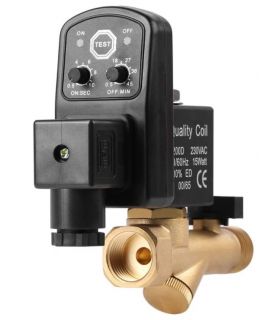
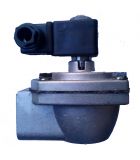
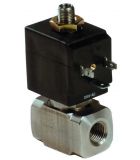
As for their operation, they can be manual, mechanical, electrical (solenoid valves) or pneumatic (pilot-operated), depending on the level of automation of the system.
In which sectors are pneumatic valves used?
They are widely used in sectors such as industrial automation, robotics, the food industry or packaging, due to their speed of response, reliability and ease of integration.