LUBRICATION
Subcategories
-
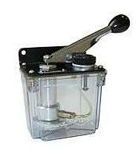
MANUAL GREASE PUMPS
-
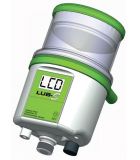
AUTOMATIC LUBRICATION
-
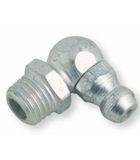
GREASE FITTERS AND NOZZLES
-
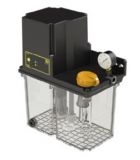
ELECTRIC GREASE PUMPS
-
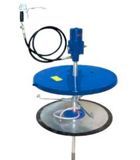
GREASE PUMPS ON TANK
-
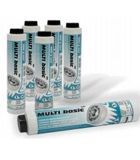
OILS, GREASES AND FIXATIVES
-
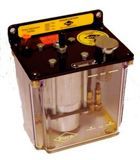
PNEUMATIC GREASE PUMPS
-
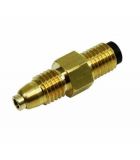
RESISTIVE INJECTOR
-
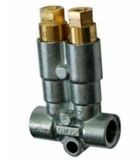
VOLUMETRIC GREASE DISPENSERS
-
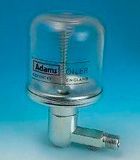
CONSTANT LEVEL LEVELERS AND OILERS
-
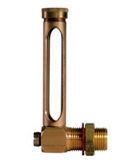
OIL SIGHT GLASSES
-
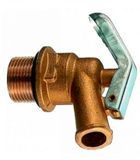
DIESEL ACCESSORIES
-
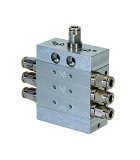
PROGRESSIVE DISTRIBUTORS LUBRICATION
What is lubrication and why is it so important in industry?
Lubrication is the controlled application of a lubricant (grease or oil) to the components of a machine. It is vital for reducing friction between moving parts, which prevents wear, minimizes overheating, protects against corrosion, and extends the life of the machinery.
What do lubrication systems contribute?
Centralized lubrication systems ensure effective lubrication thanks to precise lubricant frequencies and quantities. They optimize equipment lifespan, reduce machine downtime, and control lubricant consumption.
How often should the equipment be greased?
The frequency of lubrication depends on the load, speed, temperature, and working environment. Always follow the equipment manufacturer's recommendations, as excessive or insufficient lubrication can be harmful.
What is the difference between manual and automatic lubrication?
The main difference lies in the method of lubricant application. Manual lubrication requires an operator to apply grease or oil to the machine's lubrication points using tools such as a grease gun. Automatic lubrication, on the other hand, uses a pump and distribution system to apply lubricant to all points in a programmed manner and without human intervention.
What benefits does an automatic lubrication system offer?
- Longer machinery lifespan. Wear is reduced thanks to precise and constant lubrication.
- Cost reduction. Decreases lubricant consumption, downtime, and labor costs.
- Greater safety. Eliminates the need for operators to approach hazardous areas.
- Increased efficiency. Lubrication is performed while the machine is running.
How can I tell if I need a manual or automatic lubrication system?
The choice between a manual and an automatic lubrication system depends on the specific characteristics of the machinery and the production objectives. To make the best decision, it is necessary to evaluate factors such as the number of lubrication points, operating conditions, safety, and the long-term cost-benefit ratio.
Do you offer assistance with the installation of lubrication systems?
Although we don't offer on-site installation, our technical team provides support for proper installation. We'll help you resolve any questions about configuration, programming, and component connections to ensure your system functions optimally from the start.