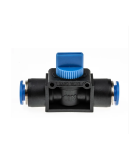
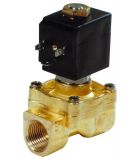
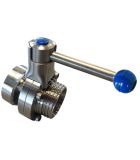
We delve deeper into ball valves

Ball valves Ball valves, also known as spherical valves, are devices used to control the flow of liquids or gases within pipes. Their design is based on a perforated sphere that, when rotated 90 degrees, opens or closes the flow. These valves are available in a variety of models and sizes, making them suitable for a wide range of applications in both industrial and domestic settings. They offer advantages such as efficiency and ease of maintenance, although they also have certain limitations that should be considered.
Inside of a ball valve
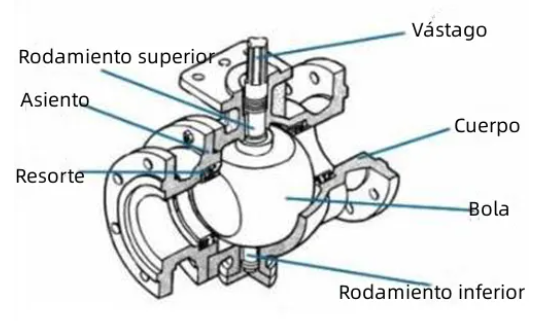
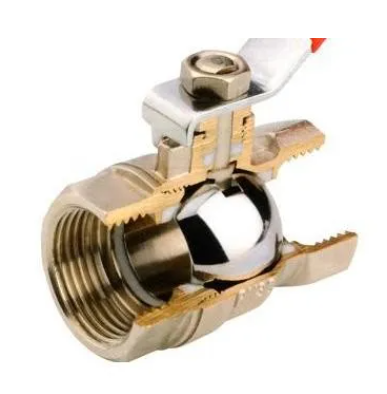
- Body. It is a fundamental part of the valve, as it houses the ball and is designed to withstand the fluid pressure.
- Ball. It is the main element. It is connected to the control mechanism via a shaft and rotates to control the flow in the valve.
- Stem. It is defined as the bar that connects the sphere to the external drive mechanism, such as a lever or an actuator.
- Seats. These are the sealing surfaces located at the ends of the sphere, which are pressed against it to prevent leaks.
Operation
It consists of applying a certain torque at the upper end of the valve stem with the help of a handle or other actuating device and transmitting it to the ball, so that the ball rotates around the axis perpendicular to the flow path by 90°.
Guys
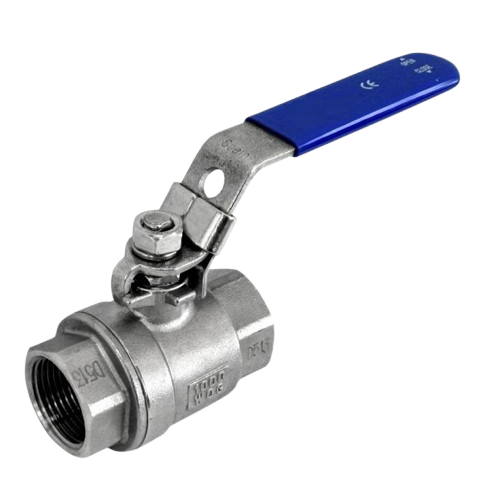
Standard ball valve
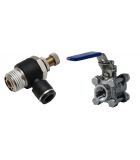
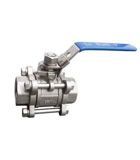
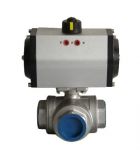
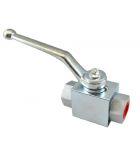
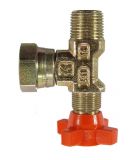
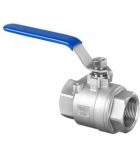
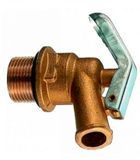
Standard ball valves consist of the housing, seats, ball, and lever for rotating the ball. They are available in two-way, three-way, and four-way configurations, with L or T bores, and with female or male threads.
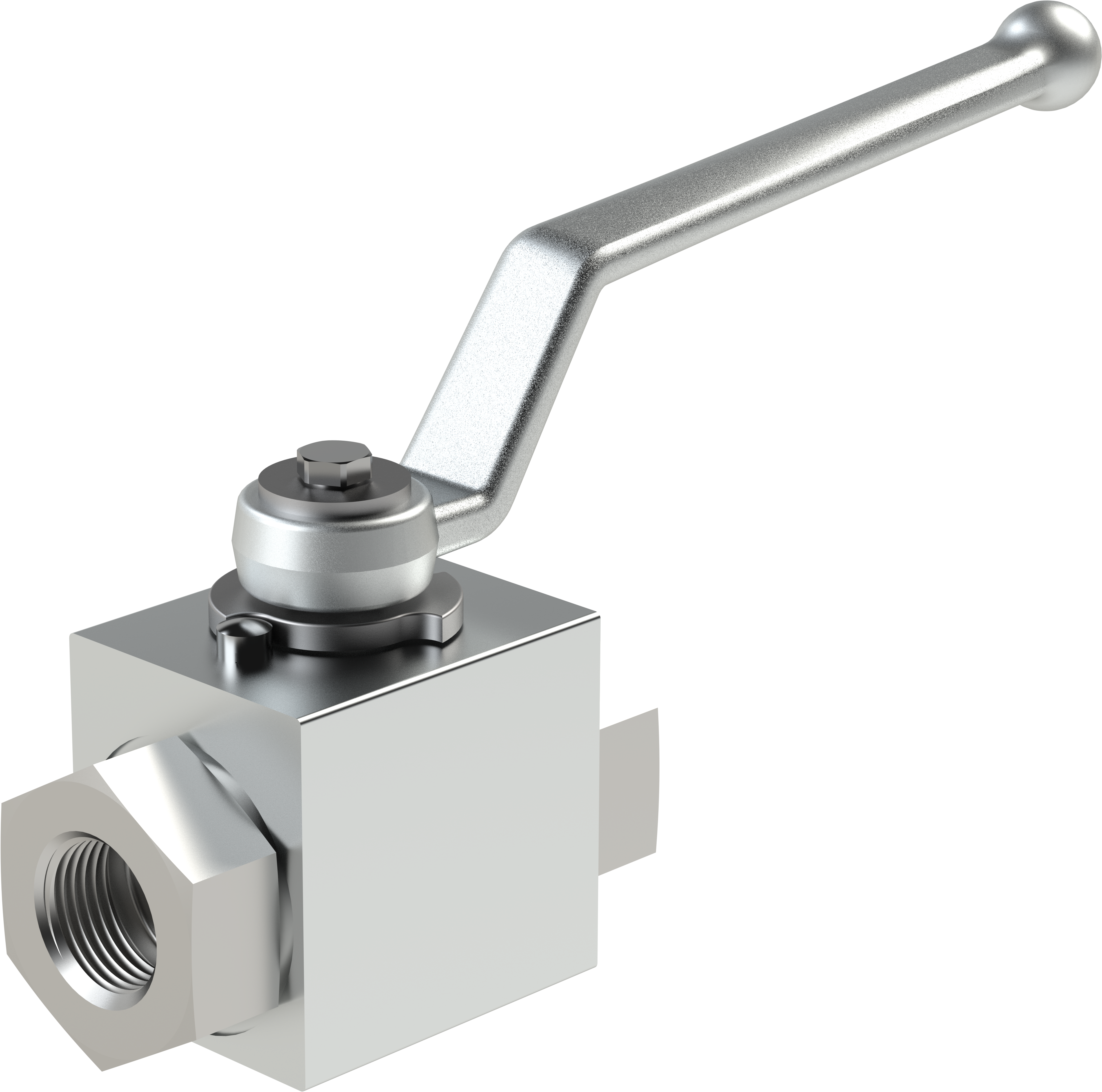
Hydraulic ball valve
Hydraulic ball valves are specially designed for hydraulic systems due to their high operating pressure and resistance to hydraulic oil.
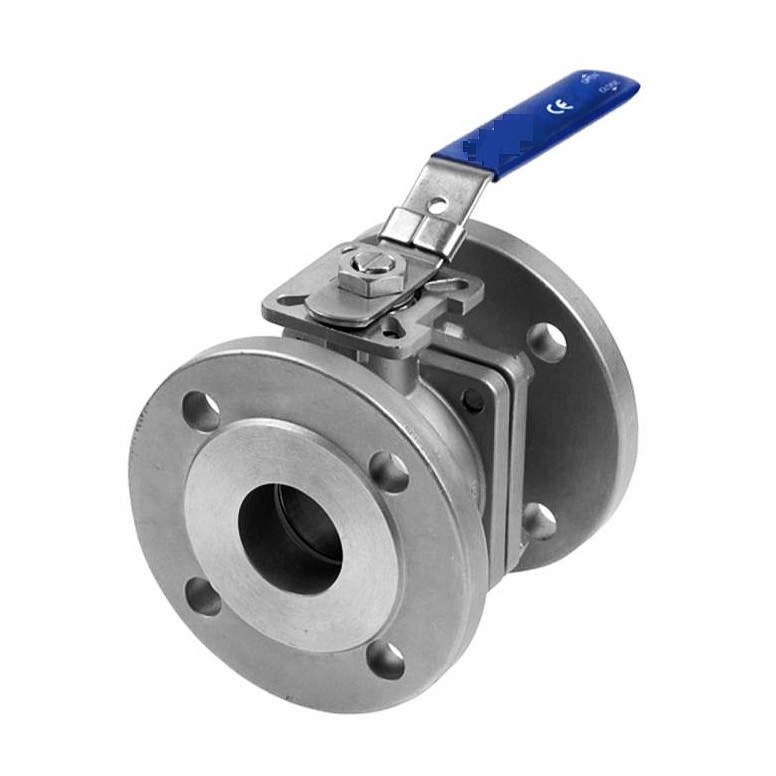
Flanged ball valve
Flanged ball valves are distinguished by their connection type. The ports connect to a piping system via flanges designed according to a specific standard. They provide a higher flow rate, as they typically feature a full-bore design.
Materials
The valve housing material must be compatible with the fluid used in each application.
Brass
It is suitable for neutral and non-corrosive environments. It is not suitable for salt water (seawater), distilled water, acids, or chlorides. It is a versatile, durable, and high-temperature resistant material.
PVC
It is suitable for applications in corrosive media such as seawater, most acids and bases, saline solutions, and organic solvents. However, it is not resistant to aromatic and chlorinated hydrocarbons. Its temperature and pressure range is lower than that of brass and stainless steel.
Stainless steel
It stands out for its excellent overall chemical resistance, abrasion resistance, and resistance to high temperatures and pressures. However, it is not suitable for hydrochloric acid, chlorides, bromine, or bleach.
Applications
Ball valves are widely used in various industries due to their efficient operation and ability to control flow in pipes.
Water and other fluid systems . Ball valves are widely used in potable water systems, as well as in irrigation and wastewater treatment systems. In addition to water, they are also used in applications involving other fluids such as chemicals, oil, gas, compressed air, etc.
Industry and residential . The industrial sectors that demand this type of valve for their production process are the chemical, petrochemical, pharmaceutical, food, food processing or energy industries.
In residential settings, these valves are used in plumbing systems to control the flow of water in sinks, showers, toilets, heating systems, and other plumbing equipment.