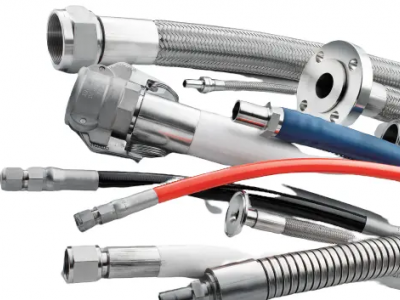
Hoses for hydrocarbons: types, applications and how to choose the right one

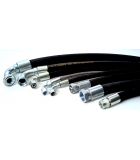
Hydrocarbon hoses are fundamental elements in numerous industrial installations intended for the transport, loading, unloading and transfer of fuels, oils and other petroleum products.
Unlike a conventional industrial hose, a hose intended to work with hydrocarbons must be made of materials compatible with the fluid it will transport and offer adequate performance against factors such as pressure, temperature, abrasion, weathering or the accumulation of static electricity.
What are hydrocarbon hoses?
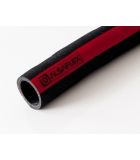
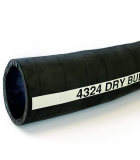
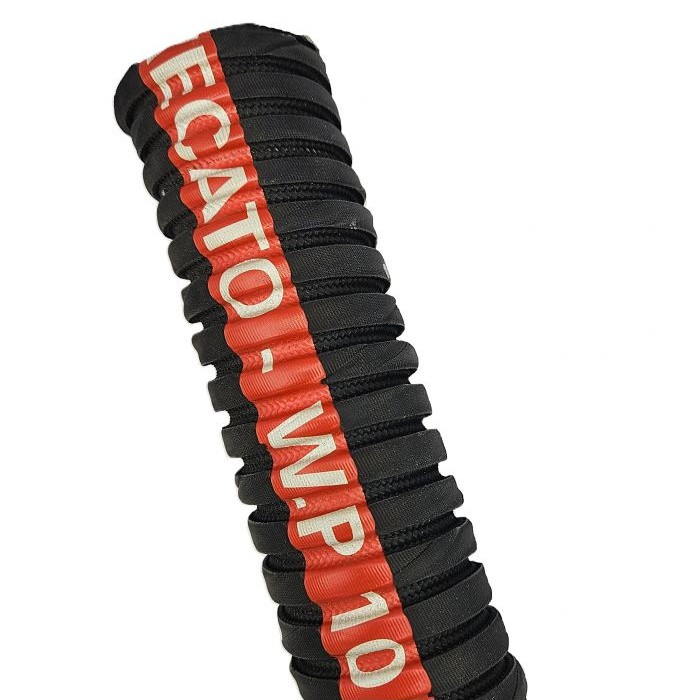
Hydrocarbon hoses are flexible conduits specifically designed for the suction, discharge, or transfer of fuels, oils, and petroleum products . Depending on the application, there may be specific solutions for discharge, for both discharge and suction, or for particular services and fuel types.
Difference between supply hoses, suction hoses, and suction and supply hoses
Depending on the direction of fluid flow and working conditions, we can distinguish three main types of hydrocarbon hoses:
A) Delivery hoses
They are designed to transport hydrocarbons under pressure, from one point of origin to another. Their construction is primarily focused on withstanding the internal pressure generated during operation. They are commonly used in fuel supply, transfer, and unloading operations.
B) Suction hoses
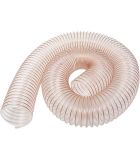
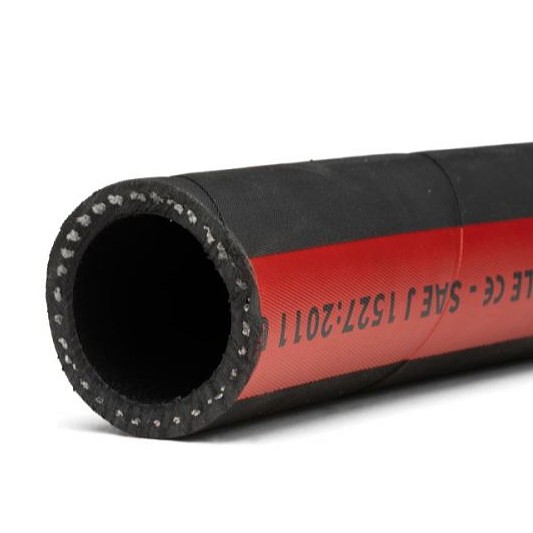
They are designed to operate when the fluid is drawn in by a pump, withstanding negative pressure or vacuum conditions. Therefore, they incorporate structural reinforcement that prevents the hose from being crushed or collapsing during suction. They are commonly used in loading and unloading operations involving hydrocarbons from tanks, tankers, or other containers.
C) Suction and discharge hoses
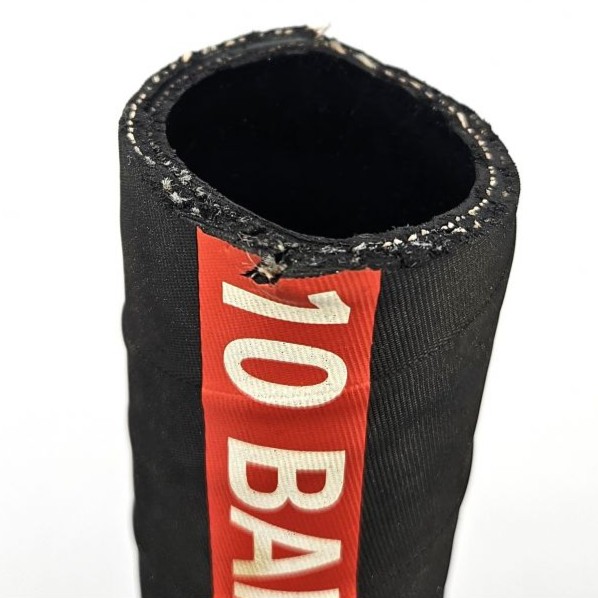
They combine both functions, allowing operation in both suction and pressure modes. Therefore, they are an especially versatile solution for loading, unloading, and transfer operations where the direction of product flow may vary.
How to choose a hose for hydrocarbons?
Before selecting a hose, it is advisable to define several technical parameters.
1. Product to be transported
It is necessary to identify, whenever possible: Diesel, Gasoline, Mineral oil, Petroleum, Specific fuels, Mixtures with oxygenated components, Products with a certain percentage of aromatics.
2. Function of the hose
Each hose has the appropriate characteristics for the function it will perform.
3. Working pressure
The actual maximum pressure of the circuit must be determined and compared to the maximum permissible working pressure of the hose. Working pressure should not be confused with burst pressure.
4. Temperature
The fluid temperature and ambient temperature also have a direct influence. A hose may behave differently when it operates continuously at high temperatures or in particularly cold environments.
5. Inner diameter
The diameter must be adapted to the required flow rate and the characteristics of the installation.
6. Minimum radius of curvature
Bending a hose below the specified radius can cause deformation, damage to the reinforcements, and a reduction in its lifespan.
Common applications
Hydrocarbon hoses are present in numerous industrial sectors.
Transport and distribution of fuels
One of the most common applications is the transfer of fuels from tankers and transport vehicles to storage tanks or facilities. In these cases, mechanical strength, flexibility, electrical conductivity, and resistance to the transported product are especially important.
Industry
In industrial facilities they can be used for the transport of oils, fuels and different petroleum products.
The selection will depend on the characteristics of the fluid and the specific conditions of pressure, temperature and assembly.
Machinery and public works
Certain equipment requires flexible systems for the supply or transfer of fuel and oils.
In these environments, in addition to chemical compatibility, abrasion resistance and flexibility can become especially important.
Petrochemical sector
Petrochemical applications can present particularly demanding conditions. In these cases, the selection must be based on the exact specifications of the chemical product and the operating conditions, paying special attention to the required standards and approvals.