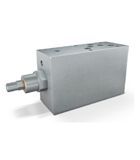
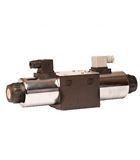
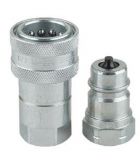
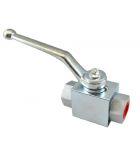
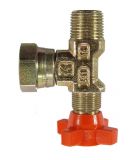
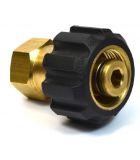
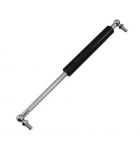
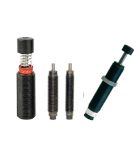
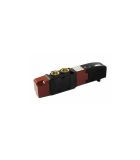
ROLLER MICROVALVE
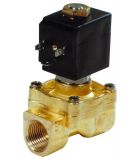
PIVOT MICROVALVE
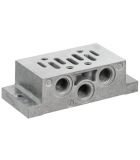
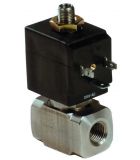
3/2 M5 LEVER MICROVALVE
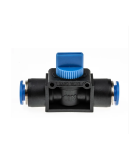
MICROVALVE FOR PUSH BUTTONS
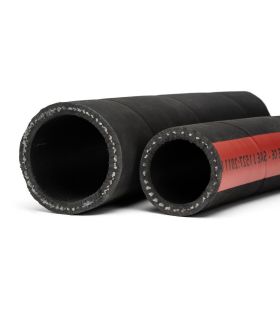
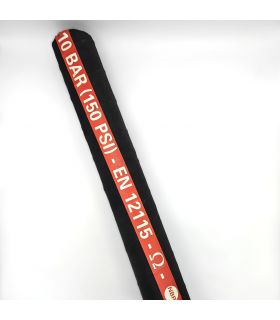
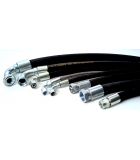
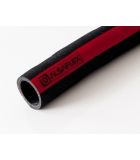
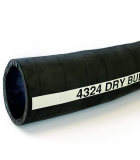
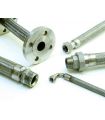
Hydrocarbon hoses are important components in systems for transporting, circulating, and distributing fuels, oils, and petroleum products, such as gasoline, diesel, or fuel oil. These hoses are specifically designed for the safe and efficient handling of petroleum products, including gasoline, diesel, and other hydrocarbons such as mineral greases or mineral oils.
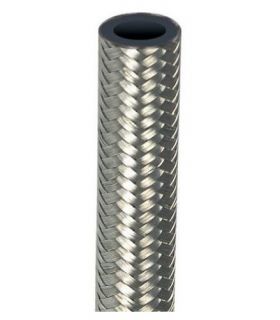
These hoses are typically made of chemical- and weather-resistant materials to ensure durability and safety. They feature an outer cover that provides protection from external elements and the weather. A spiral textile mesh reinforcement and an inner cover, where the fluid circulates, are constructed of synthetic rubber, NBR, or other materials suitable for the fluid being conveyed.
They may also have features such as electrical conductors to prevent the buildup of static charge, which could be dangerous in fuel handling environments.
Depending on the model, they can transport: gasoline, diesel, fuel oil, mineral oils, petroleum derivatives and industrial fuel mixtures.
They are used in the petrochemical industry, service stations, fuel transport, the automotive industry, industrial machinery, public works, mining, and fuel storage plants.
They are generally composed of:
Yes, they are very common in loading and unloading tanker trucks, as well as in fuel distribution and transport terminals.
Many hoses include conductive elements or antistatic threads to prevent the buildup of static electricity during the transfer of flammable fuels.
Yes, provided the model is designed and certified for it. It is important to verify compatibility with potentially explosive environments before installation.
Please sign in first.
Sign in