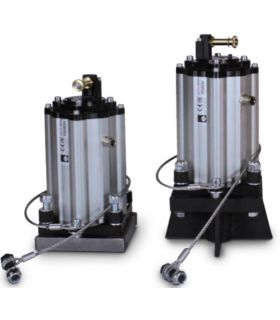
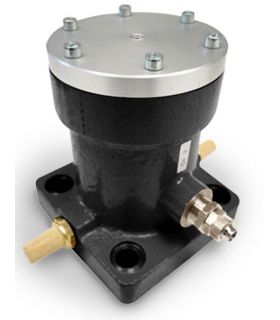
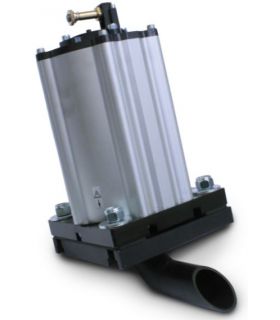
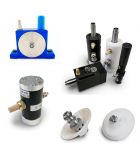
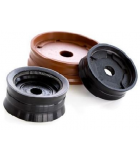
Fluidization Plate
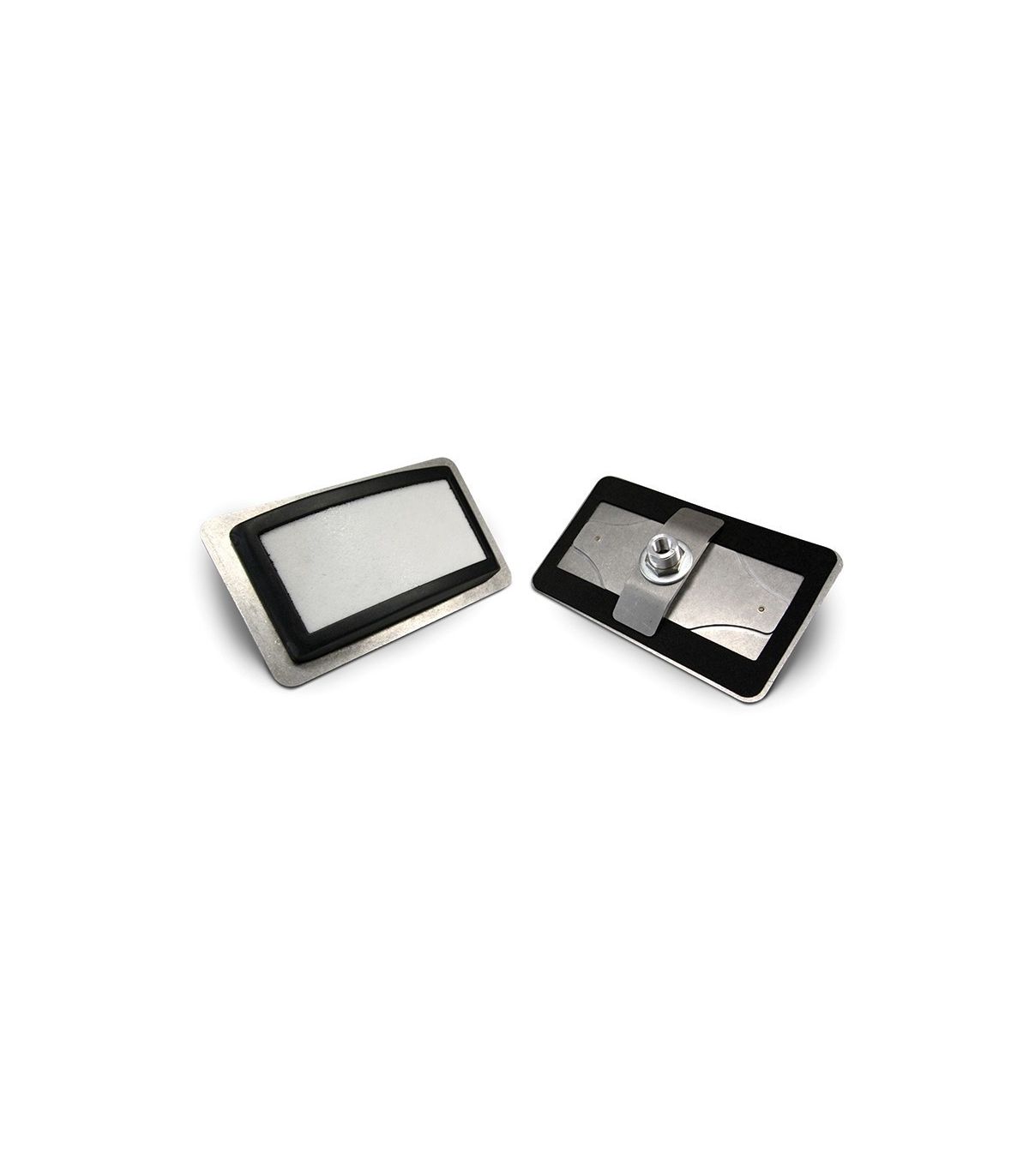
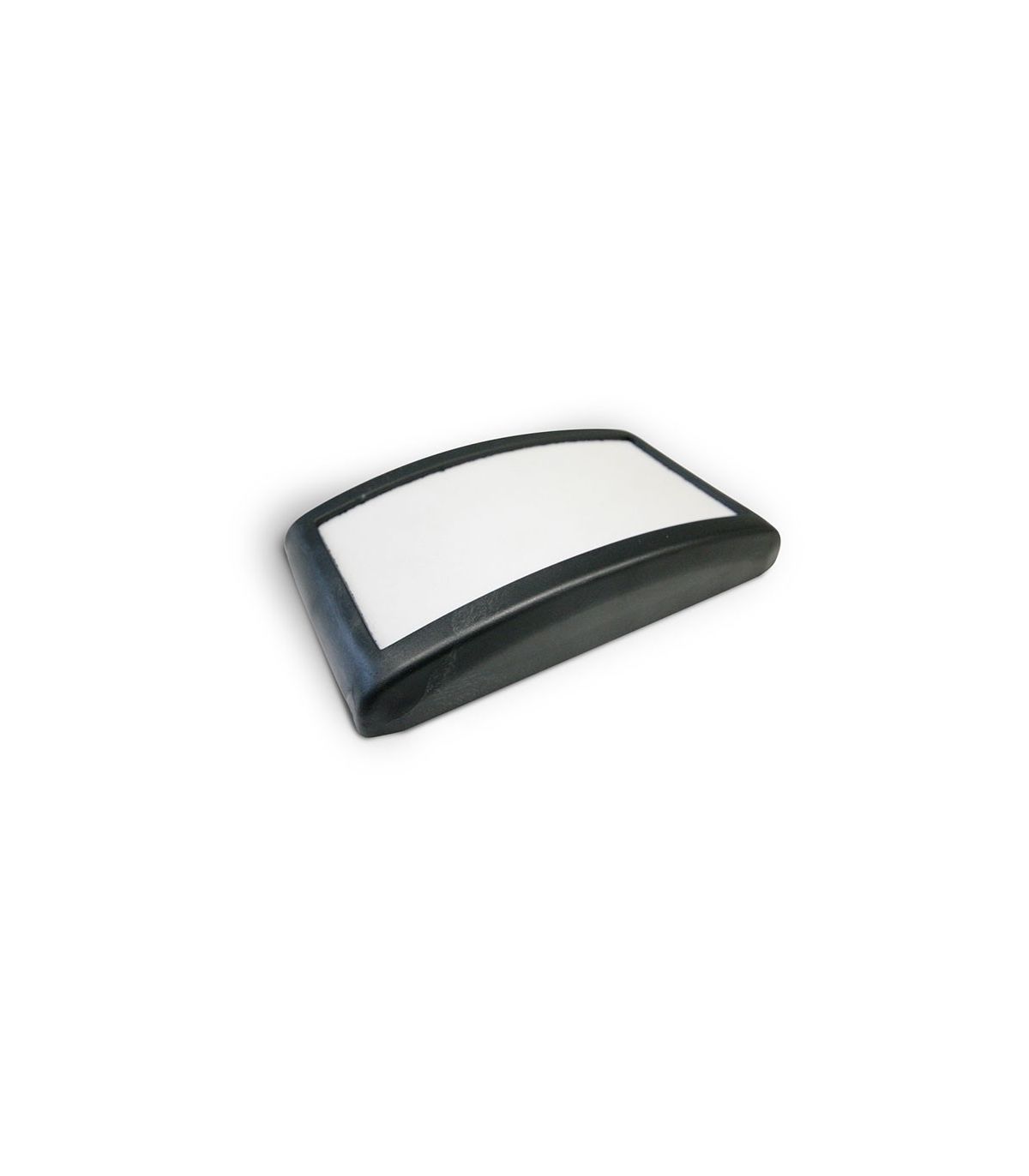
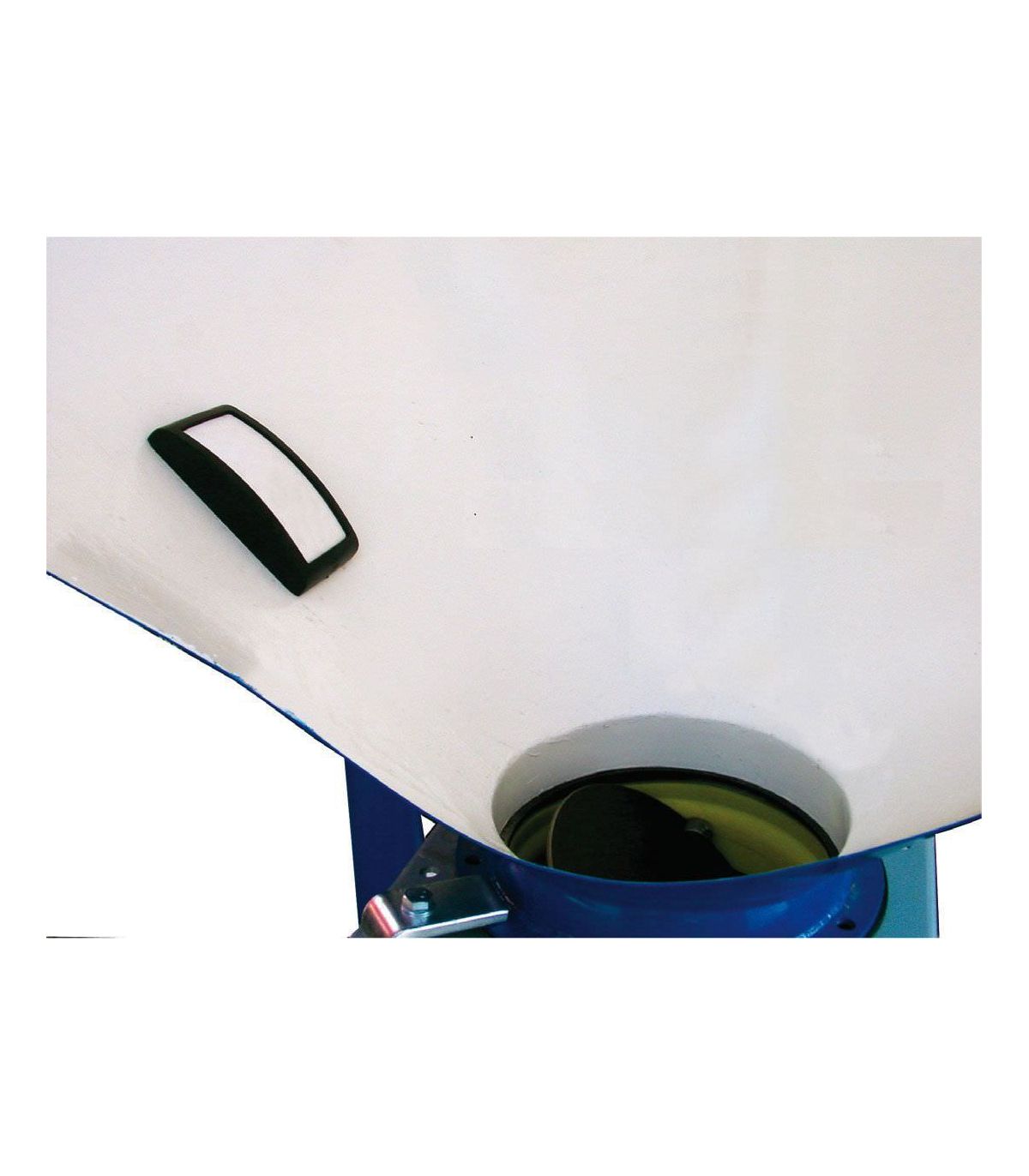
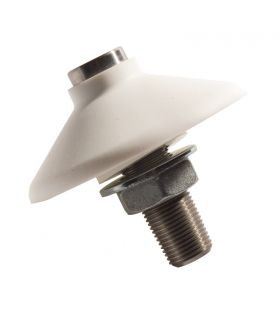
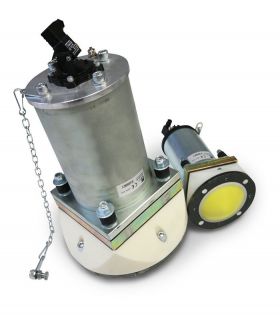
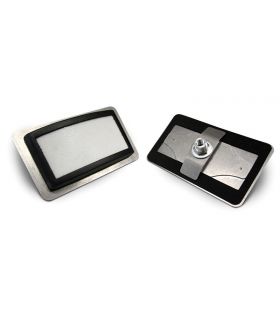
The fluidizing plate is used as a preventative measure. A variety of materials will exhibit perfect flow as soon as a specific amount of air is added at regular intervals during discharge from the hopper or silo. With I100 fluidizing plates, the action is gentle (operating pressure = 0.2 bar).
The air-enriched material gains the desired fluidity. At the same time, potential problems such as bridging, rat-hole formation, clumping, or depositing are prevented. Installed at the first level of a silo, I100 fluidization plates are widely used for materials such as cement.
They can be placed in a more sophisticated way, i.e., at several levels and acting alternately for lime, for example, in storage and dosing installations where fluidization is used not only during the unloading of material from the silo but also to keep the material moving during long periods of storage.
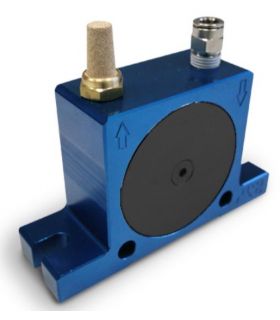
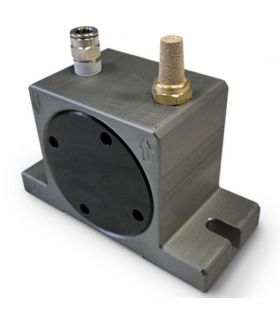
Long-term field experience with I100 fluidizing plates operating with an intermittent pulse (Pulse-Jet and Felder systems) has demonstrated that virtually all powdered materials can be successfully fluidized. For food applications, we recommend using the VB-type air vibrator.
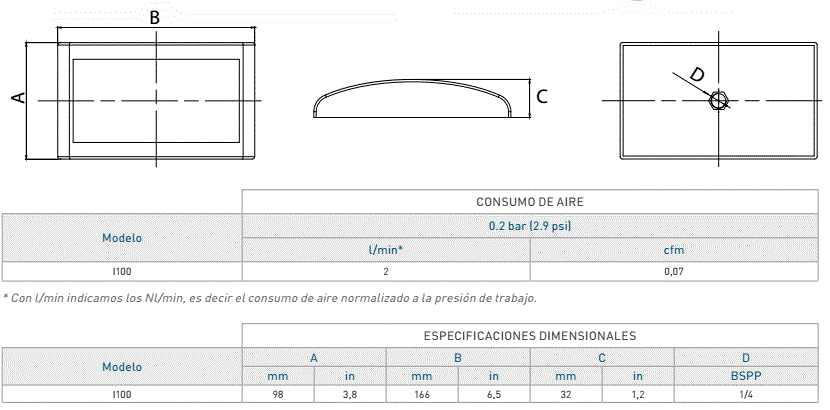
Technical specifications of a fluidization plate: