What are hydraulic quick-connect couplings?
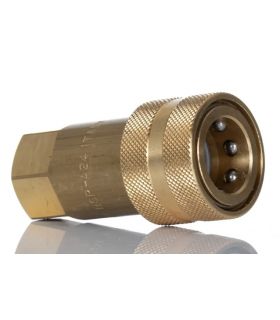
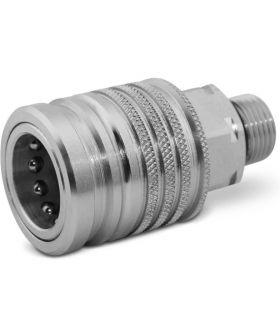
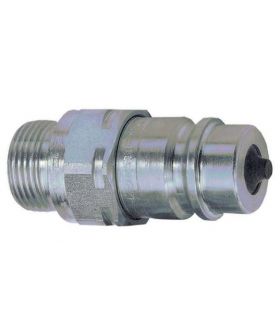
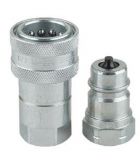
Hydraulic quick-connect couplings are a component that allows hydraulic lines to be connected and disconnected quickly, safely, and without tools. They are used to facilitate machinery maintenance and reduce intervention times.
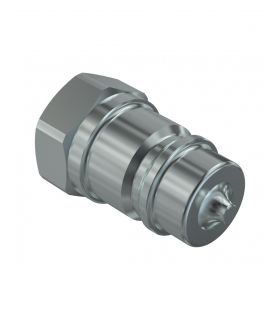
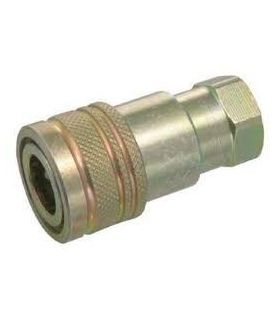
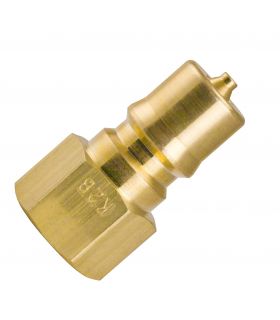
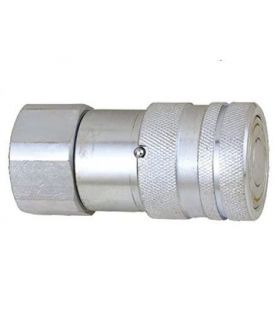
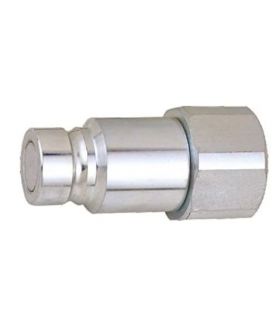
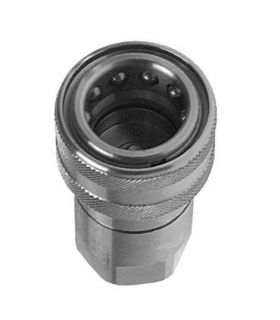
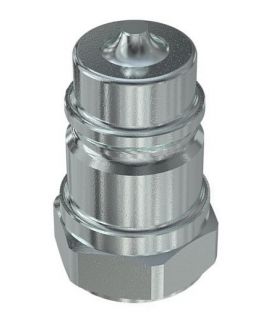
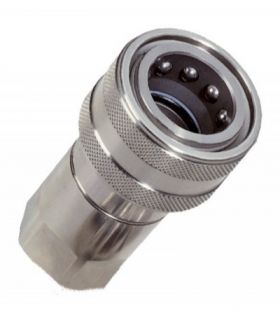
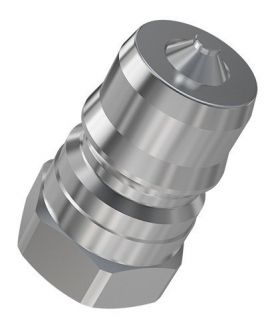
They are composed of a female part and a male part, in which they couple and uncouple.
What are hydraulic quick couplers used for?
Hydraulic quick-connect couplings are used to connect pressurized oil circuits in agricultural machinery, construction equipment, industrial machinery, mobile hydraulic systems, and applications where frequent connections need to be made safely.
What types of hydraulic quick-connect couplings are available?
- The opening and closing of the internal valve of the quick-connect fittings is carried out by means of a punch with an internal spring.
- The ball mechanism is the same system as the previous one, but the opening and closing is done with a ball also associated with a spring.
- Flat-faced. These are used for very high pressures. A flap is responsible for opening and closing the plugs.
- Self-tapping . This type of plug has a thread, so as you turn the thread, it opens the internal valve to allow the fluid to pass through.
The choice will depend on the working pressure, flow rate, type of fluid, and the operating environment.
Hydraulic quick-connect couplings offer a wide range of thread types to meet all standards. These include BSP, NPT, metric, and JIC/SAE, and can be either male or female.
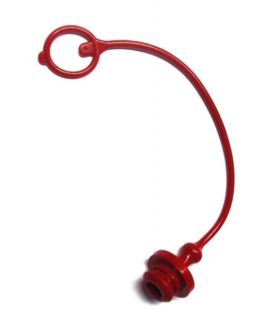
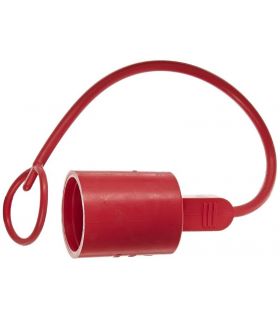
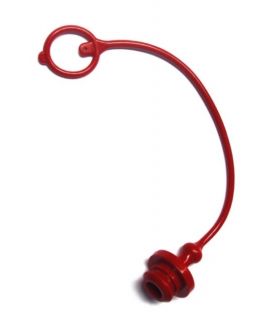
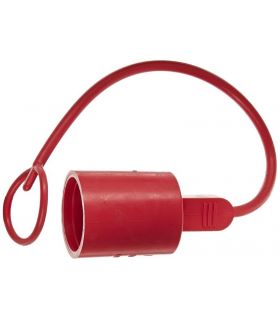
They are very easy and convenient to install, with no risk involved. Protective caps can be used to prevent dirt buildup when they are not connected.
What advantages do hydraulic quick couplings offer?
Among its main advantages are:
- Reducing connection and disconnection time.
- The greatest safety for the operator.
- Lower risk of leaks.
- Ease of maintenance.
- Higher productivity in teams with frequent implement changes.
Are all hydraulic quick-connect couplings compatible with each other?
No. Compatibility depends on the manufacturing standard, size, coupling profile, and manufacturer. To ensure proper operation, it is recommended to use plugs and sleeves with the same standard and dimensions.
What is the difference between a ball plug and a flat-face plug?
Ball-faced plugs are the most commonly used in general applications and offer a quick and reliable connection. Flat-faced plugs reduce oil loss during connection and prevent the ingress of dirt, making them particularly suitable for construction machinery, construction equipment, and other equipment where circuit cleanliness is a priority.
Can they be used with any hydraulic oil?
Most hydraulic quick-connect fittings are compatible with conventional mineral oils, although specific models exist for synthetic fluids, emulsions, and other special applications. It is advisable to verify the compatibility of the seal materials with the fluid being used.