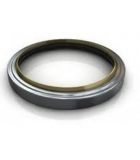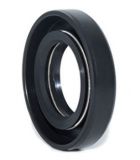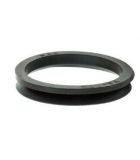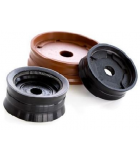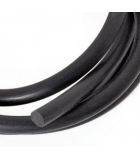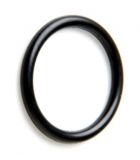
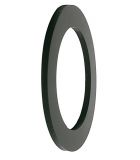
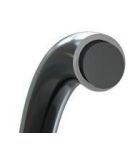
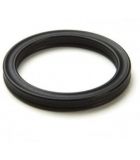
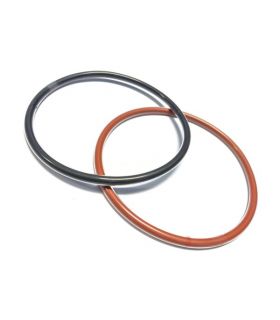
Encapsulated gaskets combine the elasticity and sealing strength of an elastomer with the chemical resistance of Teflon. They consist of a silicone or Viton® elastomeric core with a relatively thin encapsulation...
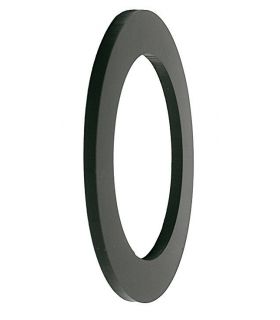
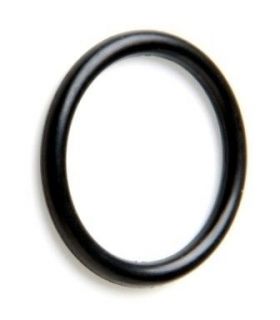
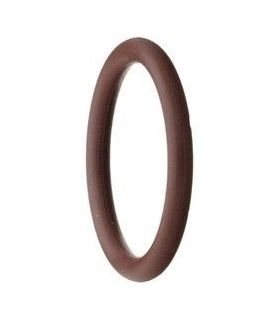
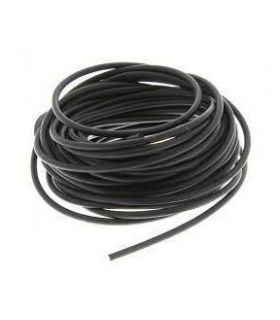
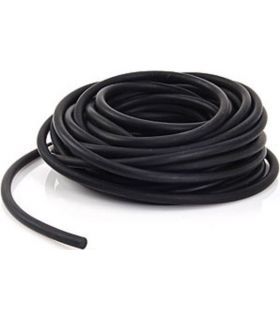
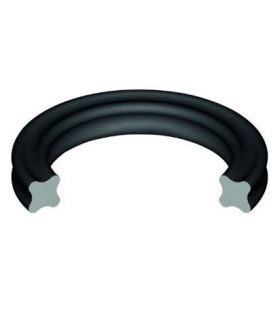
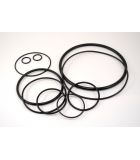
Sealing gaskets are commonly used in engineering and industrial applications to prevent leaks of liquids or gases in mechanical connections. They are circular or square rings, usually made of elastomeric materials such as rubber, silicone, NBR, Viton, or neoprene, which are placed in grooves, housings, or channels specifically designed for them.
These sealing gaskets work by compressing when two mechanical parts are assembled, creating a watertight seal between them. Due to their simple and effective design, they are widely used in a variety of applications, from industrial machinery to hydraulic and pneumatic systems.
Sealing gaskets are known for their ability to seal efficiently even under high pressure and temperature conditions due to the diversity of materials in which they can be manufactured.
There are different types depending on the application:
The most common materials are:
Several factors must be taken into account:
The O-ring is circular in shape and is used in specific housings, while the flat gasket is used on larger contact surfaces for static sealing.
Yes, in many cases it is possible to manufacture custom gaskets according to specific dimensions, material and working conditions.

Please sign in first.
Sign in