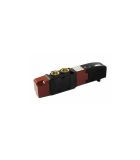
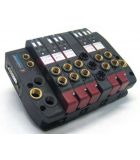
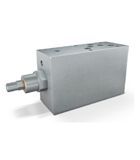
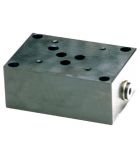
BLIND MODULE MS
€8.20
(tax excl.)
€9.92
(tax included)
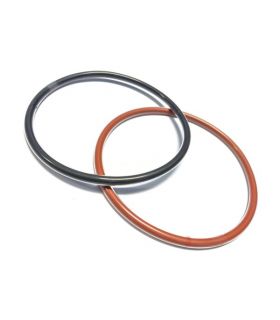
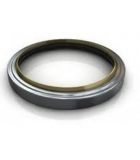
Encapsulated gaskets are a sealing element consisting of an elastomeric core encased in an outer shell of fluoroplastic material, usually PTFE. This combination allows for the utilization of the elastomer's internal elasticity and the coating's high chemical resistance.
Encapsulated gaskets are used to ensure watertightness in systems where conventional gaskets may be affected by aggressive chemicals, high temperatures, or demanding working conditions.
A conventional O-ring is made entirely of elastomer, while an encapsulated O-ring incorporates an outer layer of fluoropolymer that significantly improves chemical resistance and protection against aggressive agents.
They are common in:
Yes. Many models are manufactured with materials compatible with food applications and processes where high levels of hygiene and safety are required.
Because it combines high chemical resistance with excellent sealing capabilities, it offers a reliable and durable solution for environments where other materials can degrade quickly.
Yes. They are widely used in pharmaceutical processes due to their chemical resistance, ease of cleaning, and ability to maintain high hygiene standards.
They are used in pumps, valves, reactors, tanks, heat exchangers, dosing systems, chemical process equipment, and fluid conveyance lines.


Please sign in first.
Sign in