How does a hydraulic cooler increase efficiency and reduce costs?

At the heart of every machine, engine, or hydraulic system, a constant flow of pressurized oil circulates, performing tasks ranging from lifting tons of weight to moving components with great precision. This work generates heat, and excessive heat is the greatest enemy of wear and tear and the efficiency of any hydraulic system.
Overheating degrades hydraulic oil, reduces its viscosity, damages seals, accelerates wear on pumps and valves, and in the worst cases, causes failures and costly downtime. To solve this problem, hydraulic coolers are installed. These are vital components designed to maintain the oil temperature within an optimal range, ensuring stable performance and a longer lifespan for all your machinery.
There are mainly two types of hydraulic coolers, each with its own advantages and specific applications: air-oil coolers and water-oil coolers .
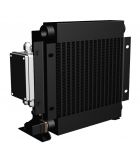
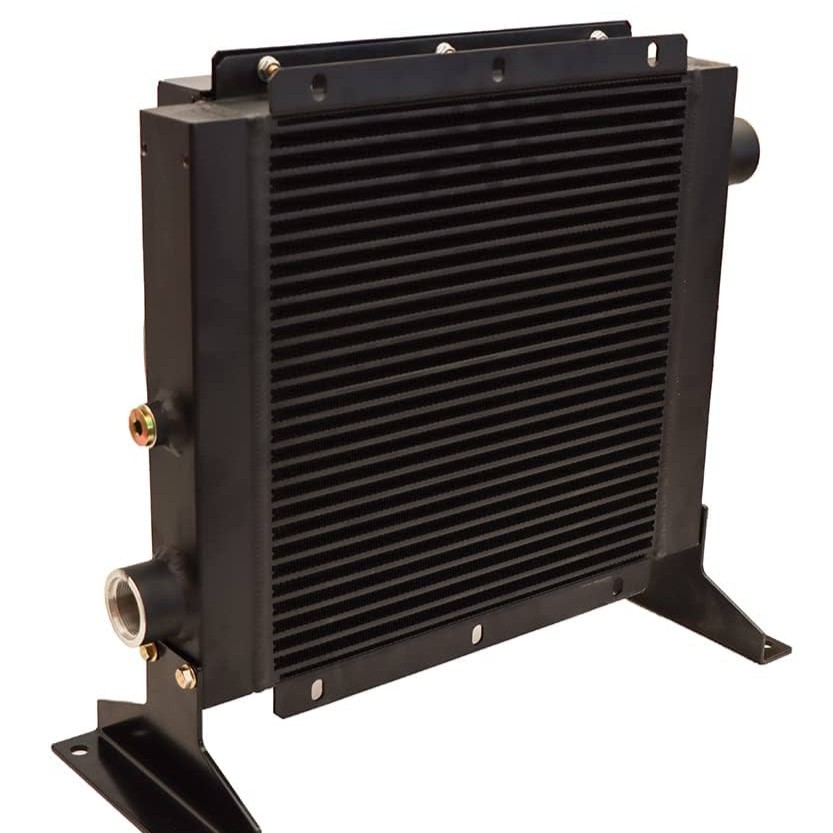
Hydraulic air-oil coolers
They use ambient air as a medium to dissipate the heat from the oil.
How does it work? A fan forces air through fins and tubes containing hot oil. As the oil comes into contact with the cooler air, it transfers its heat to the air, which is then expelled.
Their advantage is that they do not require an external water source, making them ideal for mobile machinery or installations where access to cooling water is limited.
They are ideal for agricultural machinery (tractors, harvesters), construction equipment (excavators, loaders, cranes), hydraulic power units in general, and compressors and pumps.
Hydraulic water-oil coolers
When cooling demand is high and space is limited, water-oil coolers offer a high-performance solution.
These systems use a shell and tube heat exchanger. Hot hydraulic oil circulates on one side, and cold water, from a cooling circuit or network, circulates on the other, transferring heat from the oil to the water.
They are usually installed alongside high-power hydraulic presses, injection molding machines, fixed hydraulic power units in manufacturing plants, marine systems and equipment that requires very precise control of oil temperature.
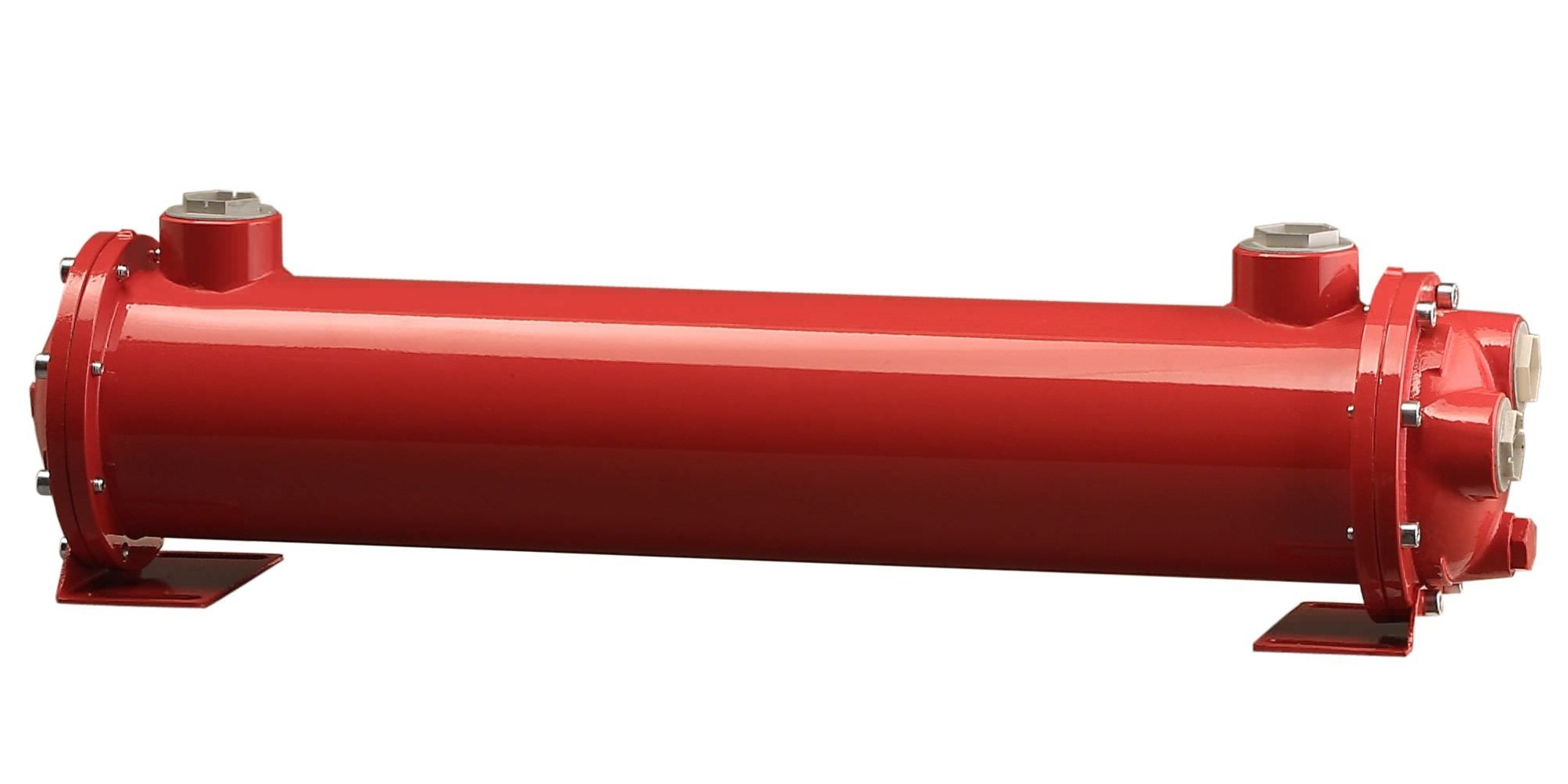
The choice between an air-oil and a water-oil cooler is crucial and depends on several factors: the thermal load of the system, the available space, the availability of a cooling water source, and the environmental conditions.
If you need advice to find the perfect cooling solution, don't hesitate to contact our experts.