Agricultural Hydraulic Cylinders: What they are, how they work and their uses

What is a hydraulic cylinder?
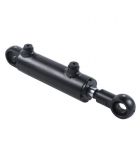
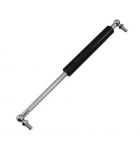
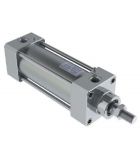
The hydraulic cylinder is a mechanical component that converts hydraulic energy into precise and controlled linear motion, which can be used to lift, push, pull, or tilt.
In the agricultural sector, these cylinders are essential for performing a variety of tasks, from lifting implements to directing the flow of liquids.
How does a hydraulic cylinder work?
A hydraulic cylinder consists of a cylindrical tube, a piston rod, a head, and a base. Hydraulic fluid, usually oil, is contained within the tube. When pressure is applied to the fluid, it pushes against the piston rod, causing it to extend. When the pressure is released, the piston rod retracts.

There are different types of hydraulic cylinders, each designed for specific applications. You can choose single-acting cylinders, which work in one direction, or double-acting cylinders, which work in both directions.
What are agricultural hydraulic cylinders used for?
Hydraulic cylinders are essential in modern agricultural machinery, as they provide precise and controlled force. Some of the most common applications are:
- Lifting implements: The cylinders raise and lower plows, harrows, mowers and other agricultural implements.
- Machinery management: They control the steering of tractors and other agricultural equipment.
- Tool operation: They operate tools such as hydraulic hammers, shears, and drills.
- Flow control: They regulate the flow of liquids in hydraulic systems, such as irrigation systems.
Specifically, tractors install hydraulic cylinders to activate the lifting and three-point hitch systems, in order to raise and lower implements such as plows, seeders, and mowers.

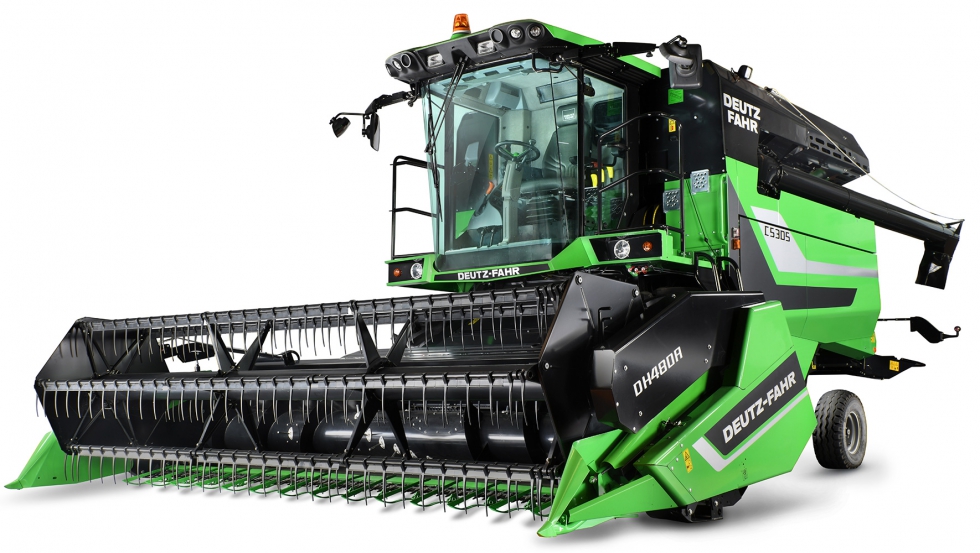
In harvesters , hydraulic cylinders are used to adjust the cutting height and control other moving mechanisms that assist in the harvesting process.
Agricultural sprayers use hydraulic cylinders to extend and retract the spray arms.
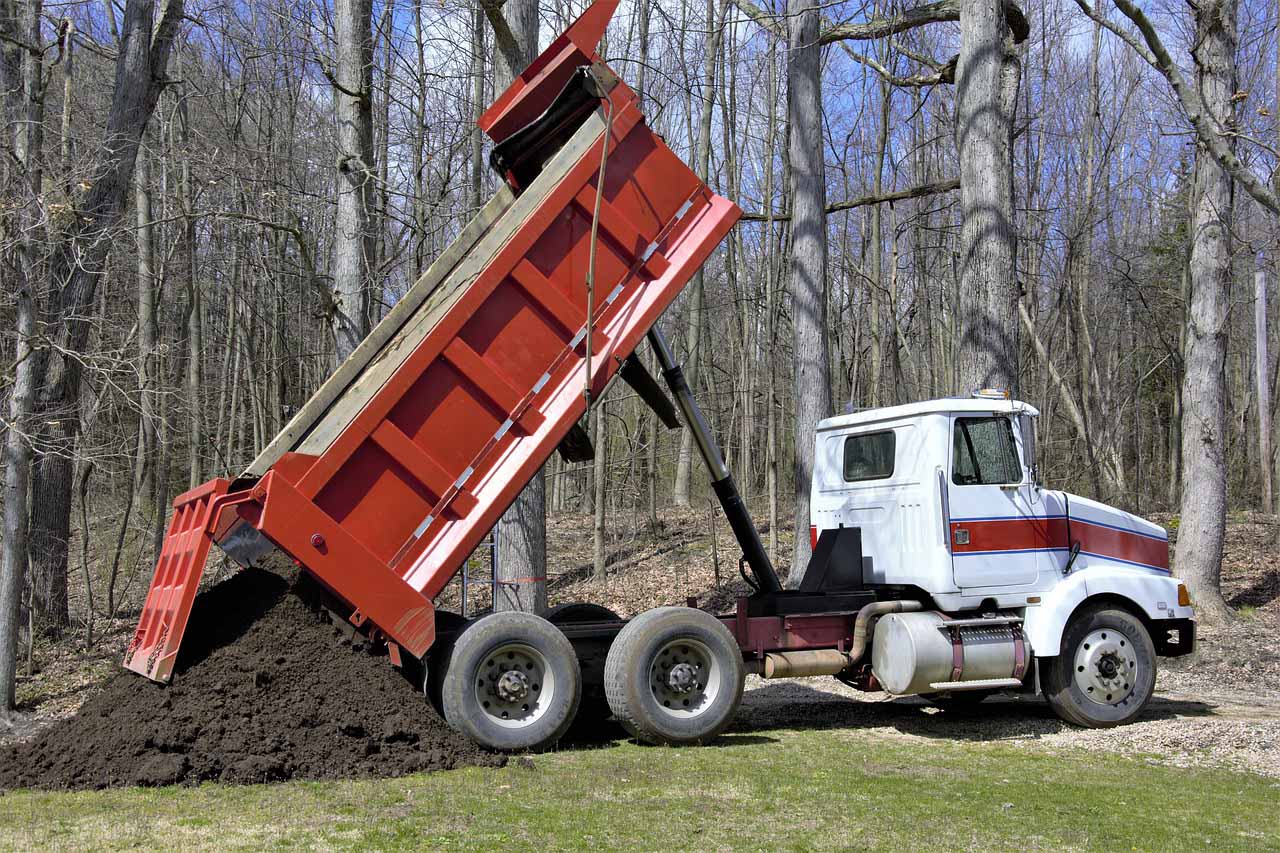
Hydraulic cylinders are essential for unloading systems in trailers and hoppers , allowing the controlled unloading of grains and other materials.