How to choose a compressed air pipe?

How to choose the right air tubing?
Choosing the right compressed air tubing is key to ensuring the efficient, safe, and long-lasting operation of any pneumatic system. While it may seem like a minor detail, a poor choice can lead to pressure losses, reduced tool performance, and increased system wear. Therefore, it's important to consider some basic factors: the required working pressure, the tubing diameter, the most suitable material based on environmental conditions, and the flexibility needed for the application.
In short, there is no single pipe suitable for all cases , so a suitable selection from the beginning will help optimize performance and avoid long-term problems.
Spiral hoses
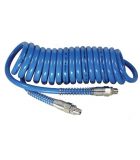
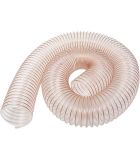
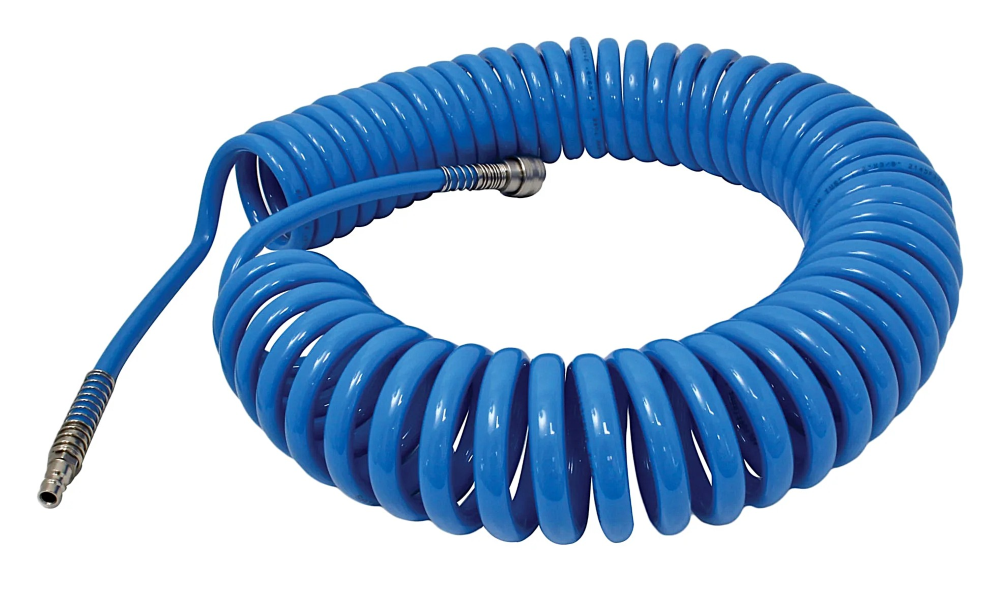
It is a flexible, spiral-shaped hose made of blue polyurethane (PU) and designed to safely and efficiently transport compressed air. Its compact, self-retracting design minimizes storage space and keeps the work area tidy. Our online store offers a wide selection of spiral hoses made of polyurethane and... polyamide .
It includes fittings at the ends , which are standardized connectors to ensure a quick and airtight connection with pneumatic tools or compressed air systems. Additionally, it features a protective spring at the hose's inlet to prevent kinking and wear at the connection point, extending its lifespan and guaranteeing a constant airflow.
These hoses have a wide variety of applications in industrial settings, workshops, and household tasks thanks to their flexibility and durability. Among the main applications are:
-
Pneumatic tools: These are used to connect guns, drills, sanders, or impact wrenches to compressors.
-
Compressed air systems in workshops: They facilitate the distribution of air between compressors and workstations without taking up much space or getting tangled up.
-
Automotive and maintenance: Ideal for tire inflation, air cleaning or blowing dust and shavings in mechanical workshops.
-
Light industrial processes: These are used in production lines where compressed air needs to be moved flexibly and safely.
-
Home and DIY: For tasks that require portable compressed air, such as inflating objects, cleaning surfaces, or powering small tools.
Compressed air pipes
Compressed air systems are essential in sectors such as industry, automation, pneumatics, food processing, and healthcare. To ensure efficient, safe, and long-lasting performance, choosing the right piping is just as important as the compressor or pneumatic components.
Otherwise, unsuitable piping could lead to pressure losses, air leaks, system contamination, production stoppages, or increased energy consumption. Therefore, it is essential to consider factors such as working pressure, temperature, flexibility, chemical resistance, and the operating environment .
-
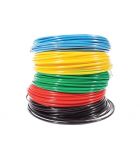
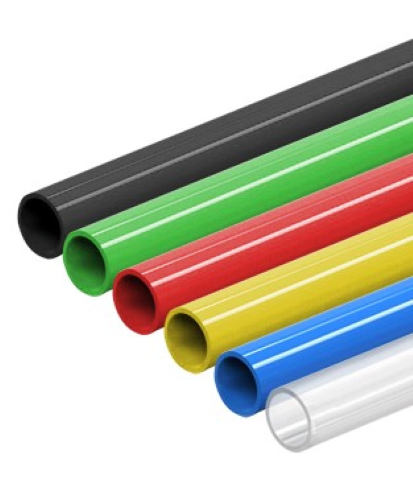
Polyamide pipes
Polyamide is one of the most widely used materials in industrial pneumatics. It is employed in installations requiring robustness and long-term reliability, thanks to its high mechanical strength, good dimensional stability, resistance to oils, fuels, and chemical agents, and its ability to withstand high pressures.
-
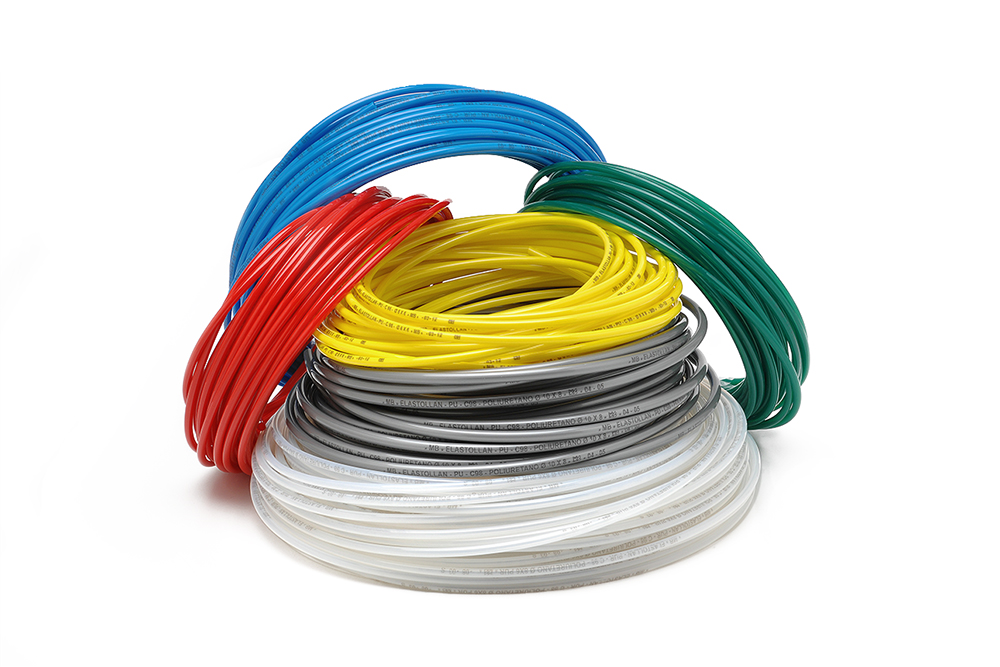
Polyurethane pipes
Polyurethane stands out for its high flexibility, small bending radius, and good abrasion resistance. It is recommended when constant movement and ease of assembly are required.
-
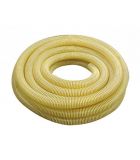
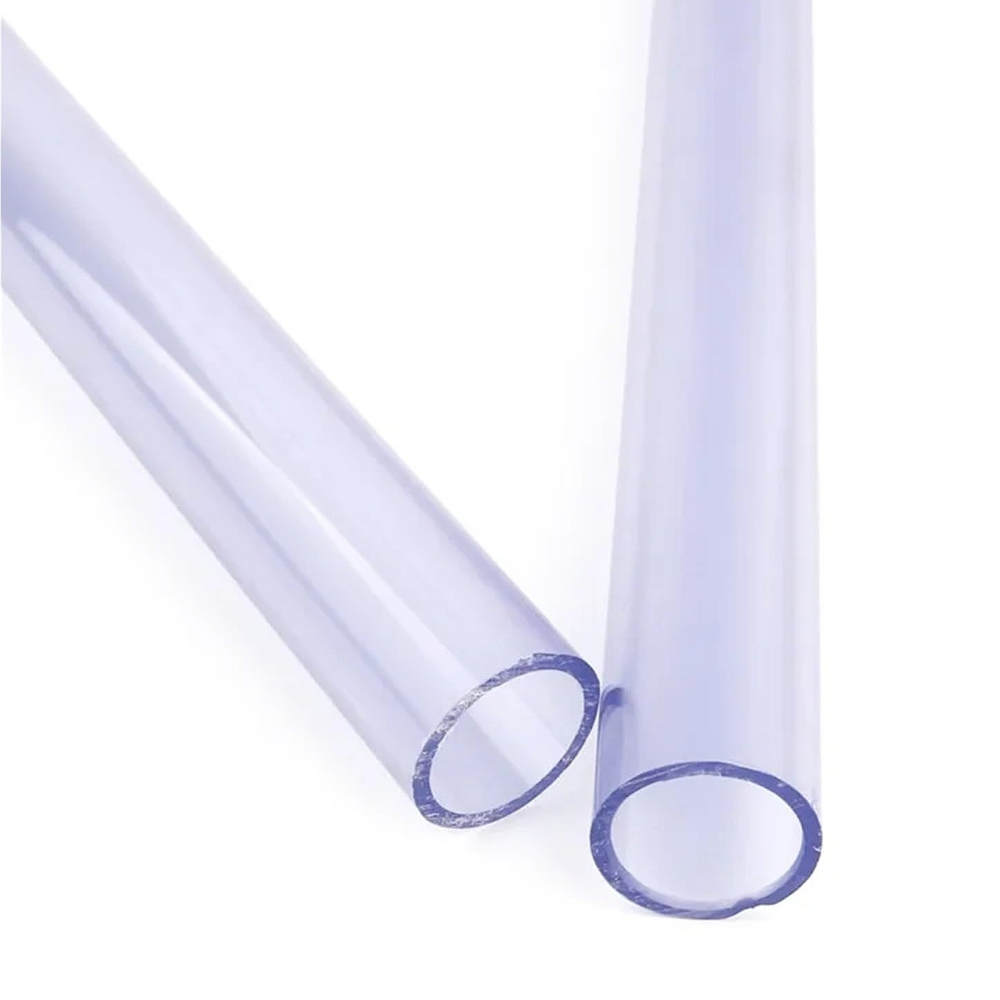
PVC pipes
PVC is an economical option for simple applications and controlled environments . It stands out for its low cost, good chemical resistance, and ease of handling. However, it has lower durability compared to other materials and is sensitive to high temperatures.
-
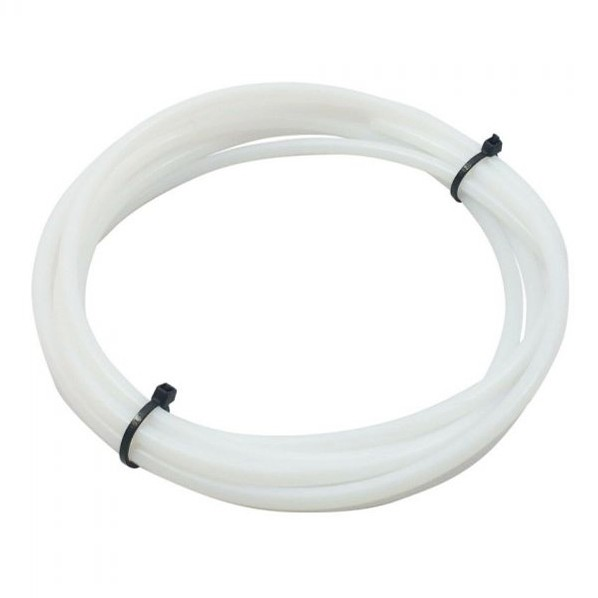
Teflon pipes
PTFE (Teflon) is a high-performance technical material, especially when maximum resistance and cleanliness are required (Chemical, Food and Pharmaceutical, Laboratories).
Are you unsure which pipe is best suited for your application? At Disumtec, we can advise you to find the best technical solution for your needs.