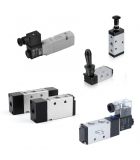
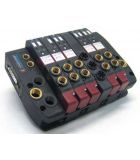
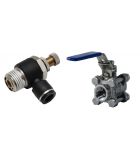
¿Qué es el accionamiento manual en componentes industriales?
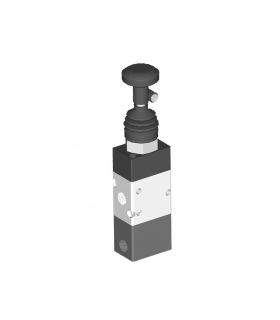
El accionamiento manual es un mecanismo que permite controlar o activar el funcionamiento de un dispositivo (como una válvula, un cilindro o un interruptor) mediante la intervención directa de una persona. A diferencia de los sistemas automáticos, no requiere energía eléctrica, neumática o hidráulica externa para realizar el movimiento inicial.
¿Cuáles son los tipos de accionamiento manual más comunes?
Dependiendo de la aplicación, el accionamiento puede variar en forma y ergonomía:
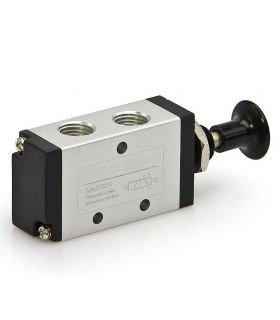
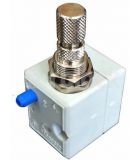
- Pulsador: Un botón que se presiona (común en paradas de emergencia).
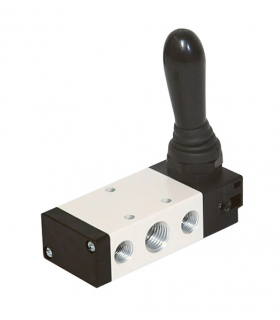
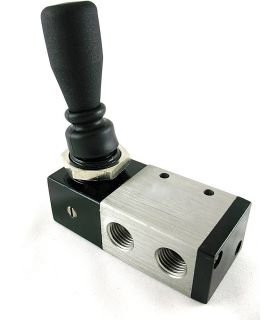
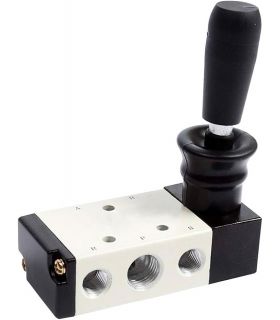
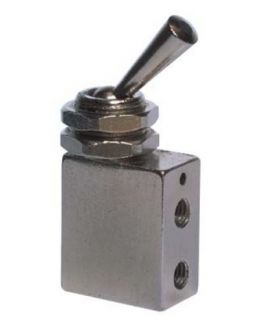
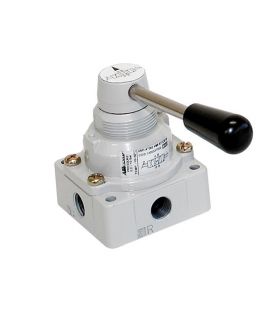
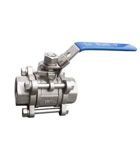
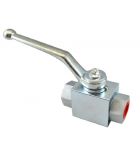
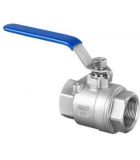
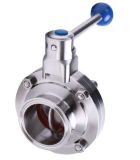
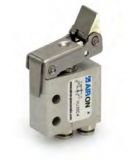
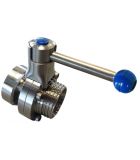
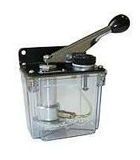
- Palanca: Ideal para válvulas donde se requiere un movimiento de conmutación claro.
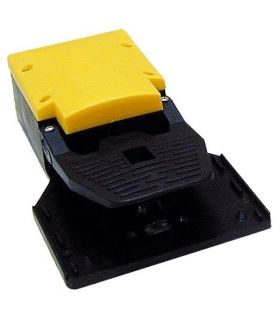
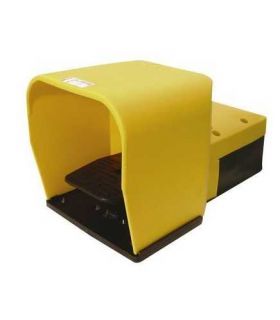
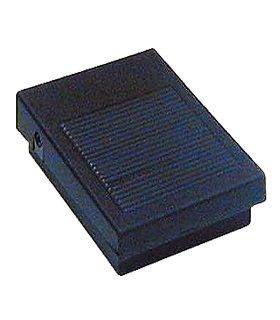
- Pedal: Permite accionar la máquina con el pie, dejando las manos libres para manipular la pieza.
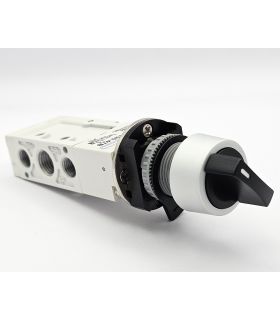
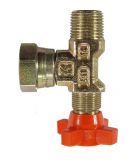
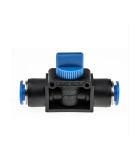
- Selector o maneta: Un mando giratorio para cambiar entre diferentes estados o posiciones.
¿Cuándo es recomendable elegir un accionamiento manual?
Se recomienda su uso en:
- Puntos de control local donde el operador debe estar presente para supervisar la maniobra.
- Sistemas de baja frecuencia, donde no merece la pena invertir en automatización.
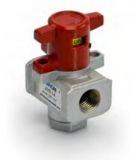
- Mecanismos de seguridad, como válvulas de bloqueo que requieren una acción humana consciente antes de iniciar un proceso.
¿En qué aplicaciones se utilizan?
- Puestos de mando manual en maquinaria
- Sistemas neumáticos simples o auxiliares
- Operaciones de mantenimiento o prueba
- Control directo de cilindros en entornos industriales
¿Qué limitaciones tiene el accionamiento manual?
- Dependencia de la intervención humana
- No adecuados para automatización continua
- Posible variabilidad en el accionamiento
¿Puedo solicitar una factura proforma antes de pagar?
Entendemos que muchas empresas necesitan aprobación interna. Puedes solicitar la factura proforma directamente por correo electrónico.